Pilots
Pilots
Pilots
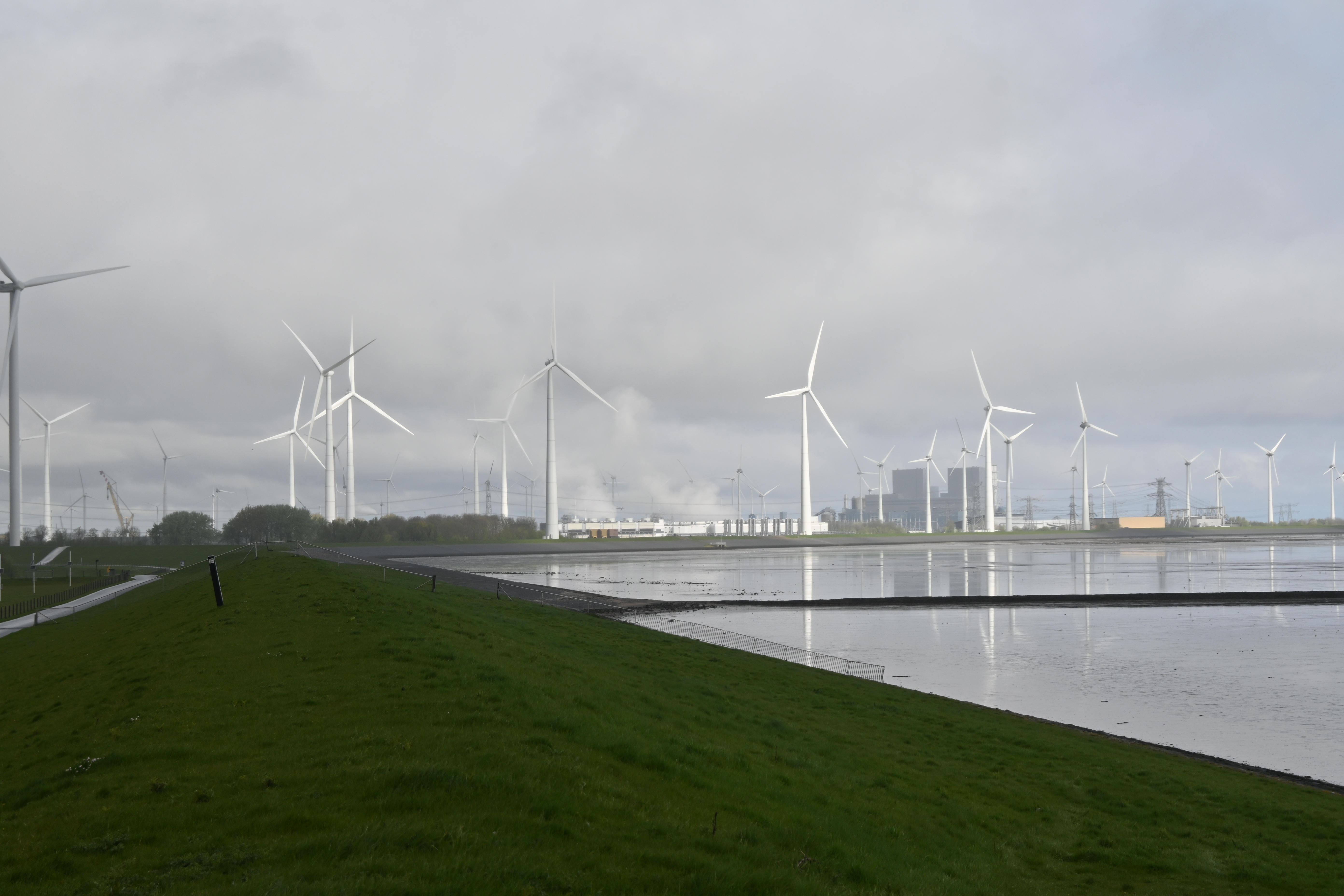
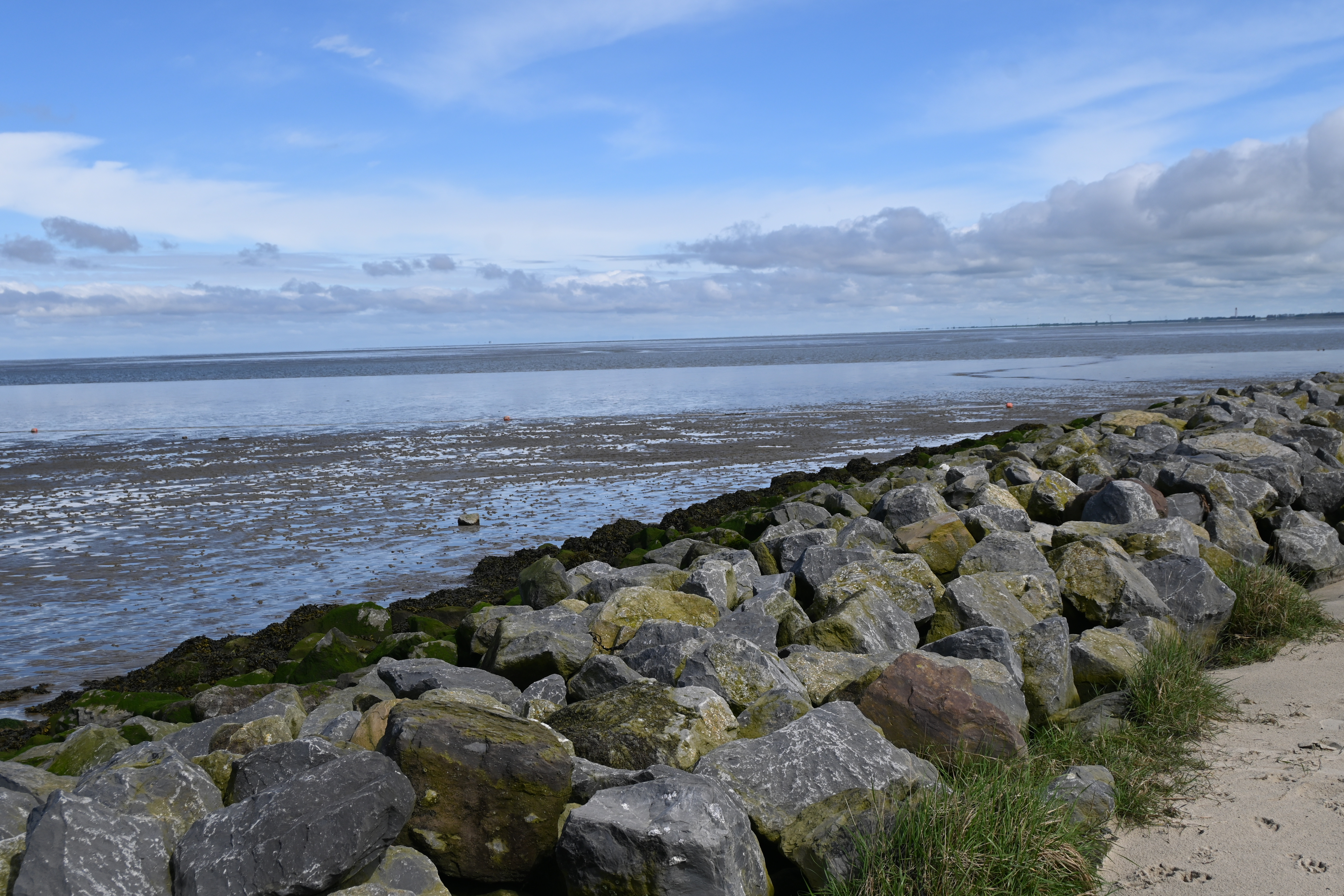
The Wadden Sea pilot site, situated in the Eems–Dollard estuary in the Province of Groningen in the Netherlands, represents a transition from pilot-scale experimentation to large-scale restoration planning. Unlike other REST-COAST pilot sites, where physical restoration was the primary focus, the Wadden Sea contribution centred on the development of a scalable governance and implementation framework for nature restoration and climate adaptation.
The pilot has not yet delivered restoration works, but it has achieved a signed cooperation agreement with nine institutional partners. This agreement commits to restoring 150 ha of nature and raising 300–500 ha of agricultural land, following extensive stakeholder engagement with over 30 community meetings. It serves as a significant milestone and the basis for a full implementation plan.
- Excessive sedimentation and turbidity in the estuary
- Degradation and loss of natural intertidal and coastal habitats
- Impacts of sea-level rise on low-lying agricultural and natural land
- Climate change pressures, including intensified storm events
- Inland subsidence and salinisation of agricultural land
- Disrupted land–sea ecological connectivity
- Conflicting land-use and economic pressures between agriculture, nature, and port activities
- Governance and implementation challenges in multi-stakeholder coastal management
- Restoration target: 150 ha
- Land secured: ~400 ha
- Land raising: 300–500 ha
- Cooperation agreement established
- Stakeholder engagement: 30+ meetings
- Scale: Cross-border
- Countries Netherlands, Denmark, Germany
- Coastal elements: estuary, lagoon
- Species: sea grass, migratory and breeding wetland birds, migratory fish
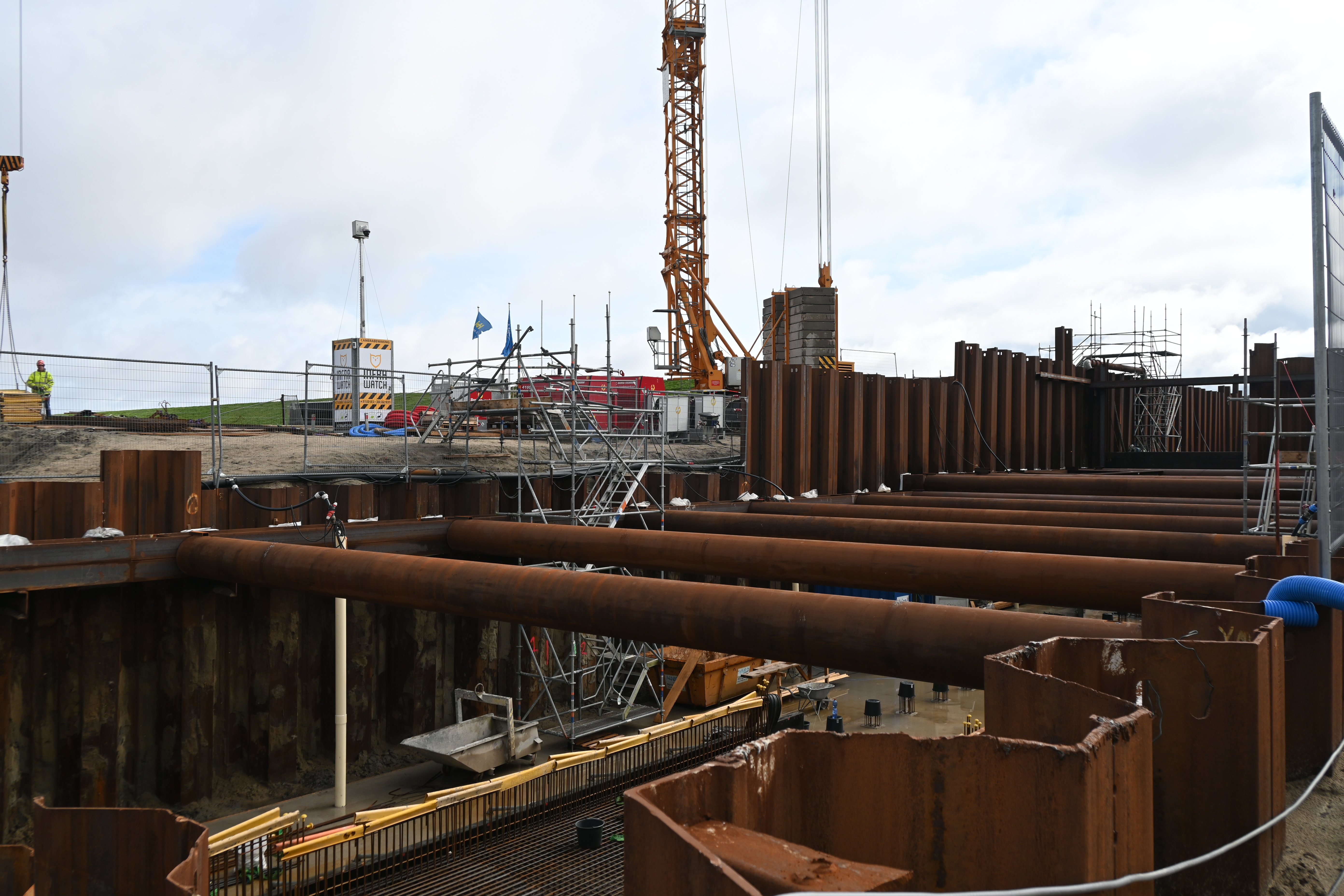
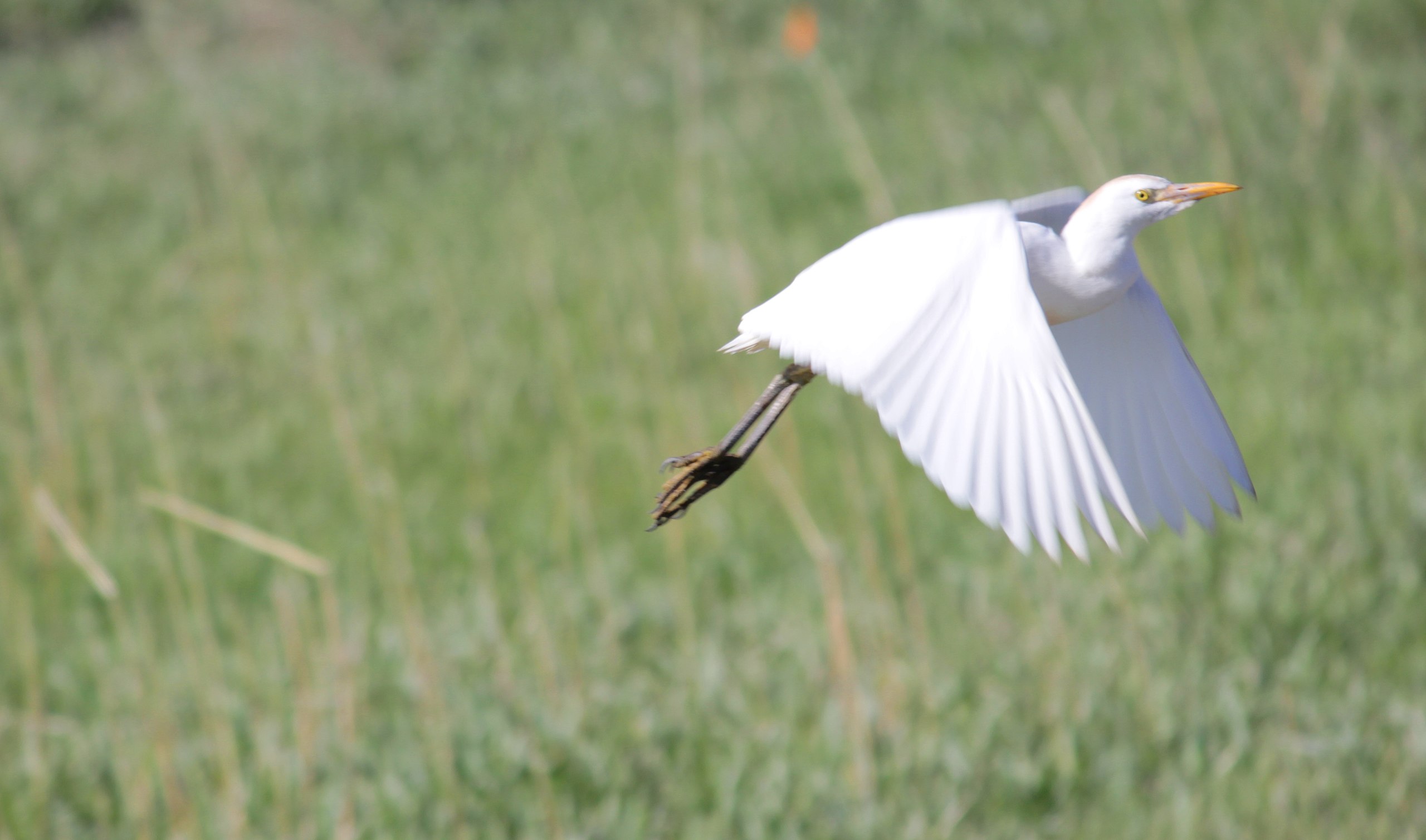
The Ebro Delta pilot achieved full implementation (100%) of planned restoration actions across all challenge areas, primarily through nature-based solutions (NbS). Key achievements include the removal of artificial barriers, the reconnection of coastal lagoons, and the restoration of dune systems. These interventions improved hydrological connectivity, sediment dynamics, habitat diversity, and coastal resilience. Ecological responses include expansion of submerged vegetation (+7–8%), marsh habitats (~+20%), and embryonic dunes (+55%), alongside reduced nitrogen peaks (−15–25%). The project strengthened adaptive governance through stakeholder engagement (CORE-PLAT).
- Severe biodiversity degradation
- Accelerated coastal erosion
- Altered coastal morphology
- Degraded water quality in coastal lagoons
- Flooding and land loss risks
- Climate change pressures
- Conflicting uses and resource scarcity
- Threats to socio-economic activities
- Submerged vegetation: +7–8%
- Marsh habitats: ~+20%
- Embryonic dunes: +55%
- Irrigation channels: −34%
- Freshwater vegetation: −18–21%
- Nitrogen peaks: −15–25%
- Improved coastal resilience and reduced breaching risks
- Scale: Regional
- Countries: Spain
- Coastal elements: delta, bay, open, coast, lagoon
- Species: birds, plants (Salicornia sp., Limonium sp.), toothcarps, European pond turtle
- Expand ecological monitoring
- Maintain lagoon connectivity
- Monitor sediment dynamics and climate impacts
- Strengthen participatory governance
- Integrate restoration into agricultural planning
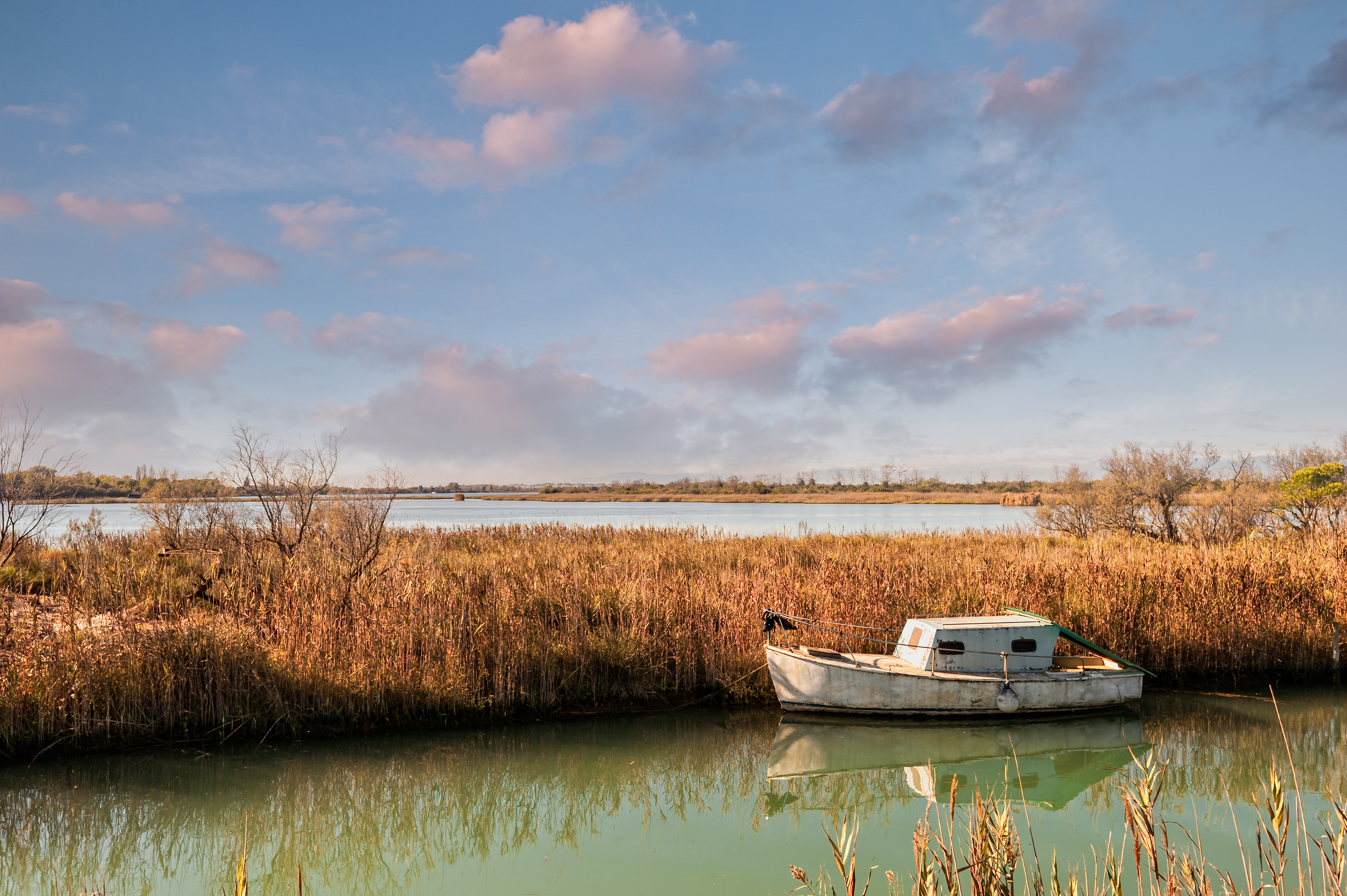
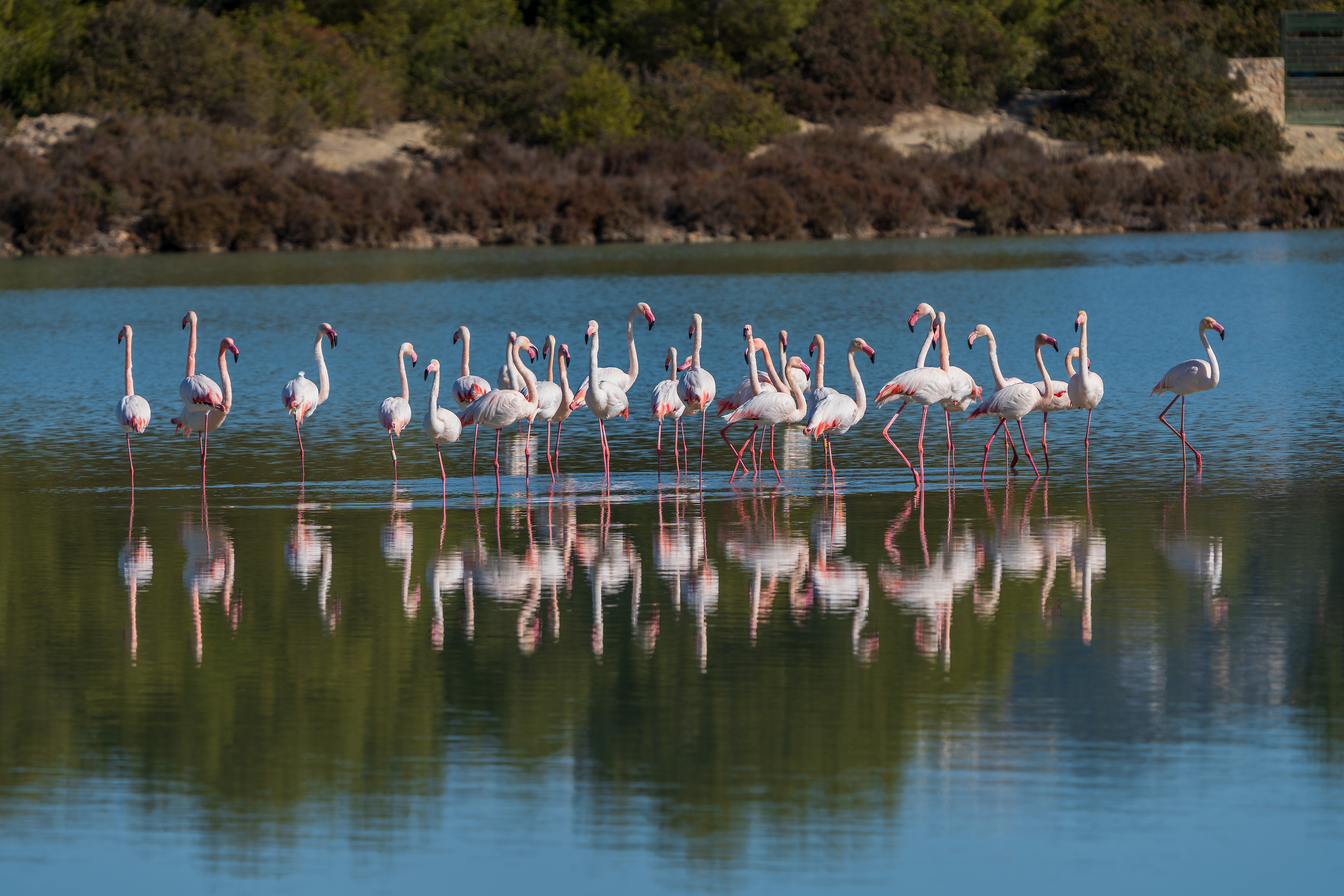
The Venice Lagoon pilot site focuses on the restoration of salt marshes, one of the lagoon’s most ecologically distinctive and threatened habitats. Restoration activities were implemented across 138 hectares of man-made salt marshes, targeting 11 marshes through three executive projects (P1061, P1073 and P1079) and restoring 21,008 linear metres of marsh edge reinforcement (contermination). Implementation ranged from 0% to 100%, with full implementation in marsh edge restoration and invasive species removal, while marsh nourishment was halted due to regulatory constraints, limiting bird habitat benefits. Hydrodynamic modelling indicated wave height reductions of −15% (up to >−30%). Governance improved through a CORE-PLAT platform and a signed restoration agreement.
- Progressive erosion and disappearance of natural salt marshes
- Deepening of tidal flats and mudflats
- Reduced sediment inputs into the lagoon from rivers
- Loss of bird nesting sites
- Increased wave disturbance from motor boats and commercial maritime traffic
- Chemical contamination of water, soils and sediments
- Hydromorphological disruption from lagoon inlet modifications and artificial channels
- Invasive Alien Species (IAS), particularly Baccharis halimifolia
- Lowering of land elevation (subsidence)
- Pressure from tourism, ports, fisheries and aquaculture
- Salt marsh restoration: 100% (21,008 m; 11 marshes; 138 ha)
- Invasive species removal: 100%
- Bird habitat: 40% (Phase 1 complete; Phase 2 halted)
- Tidal flats & wave disturbance: 25%
- Wave height: −15% (up to >−30%)
- Nesting pairs: +86 (2024 vs 2023)
- Artificial marsh contribution: 50–70% of breeding pairs
- National relevance: >1–10% of the Italian breeding population
- Scale: Regional
- Countries: Italy
- Coastal elements: lagoon, wetlands, islands
- Species: 3 marine seagrasses, 4 fish species, 12 birds of Community Interest
- Resume sediment nourishment phase
- Continue monitoring and modelling
- Explore ecotourism potential
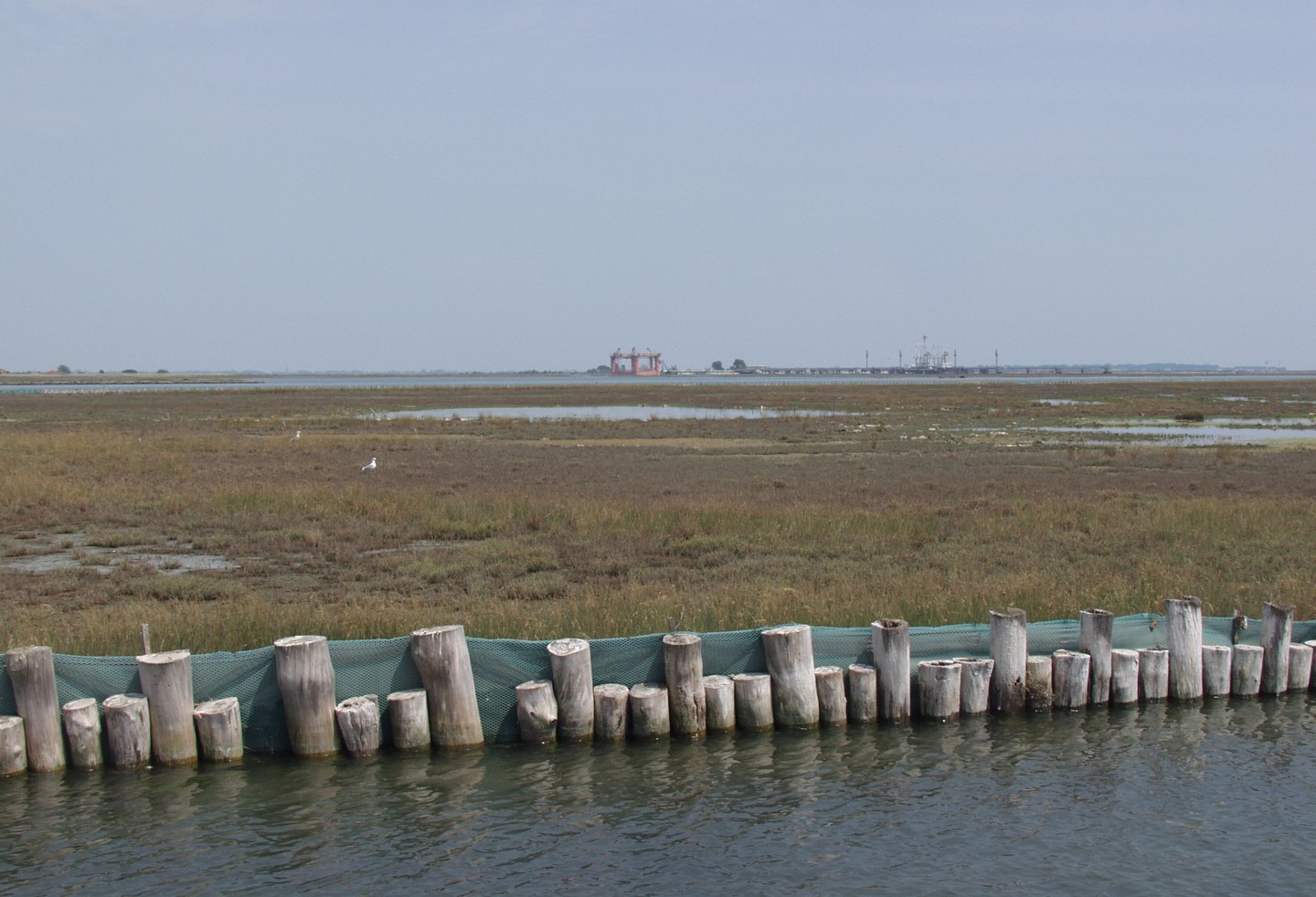
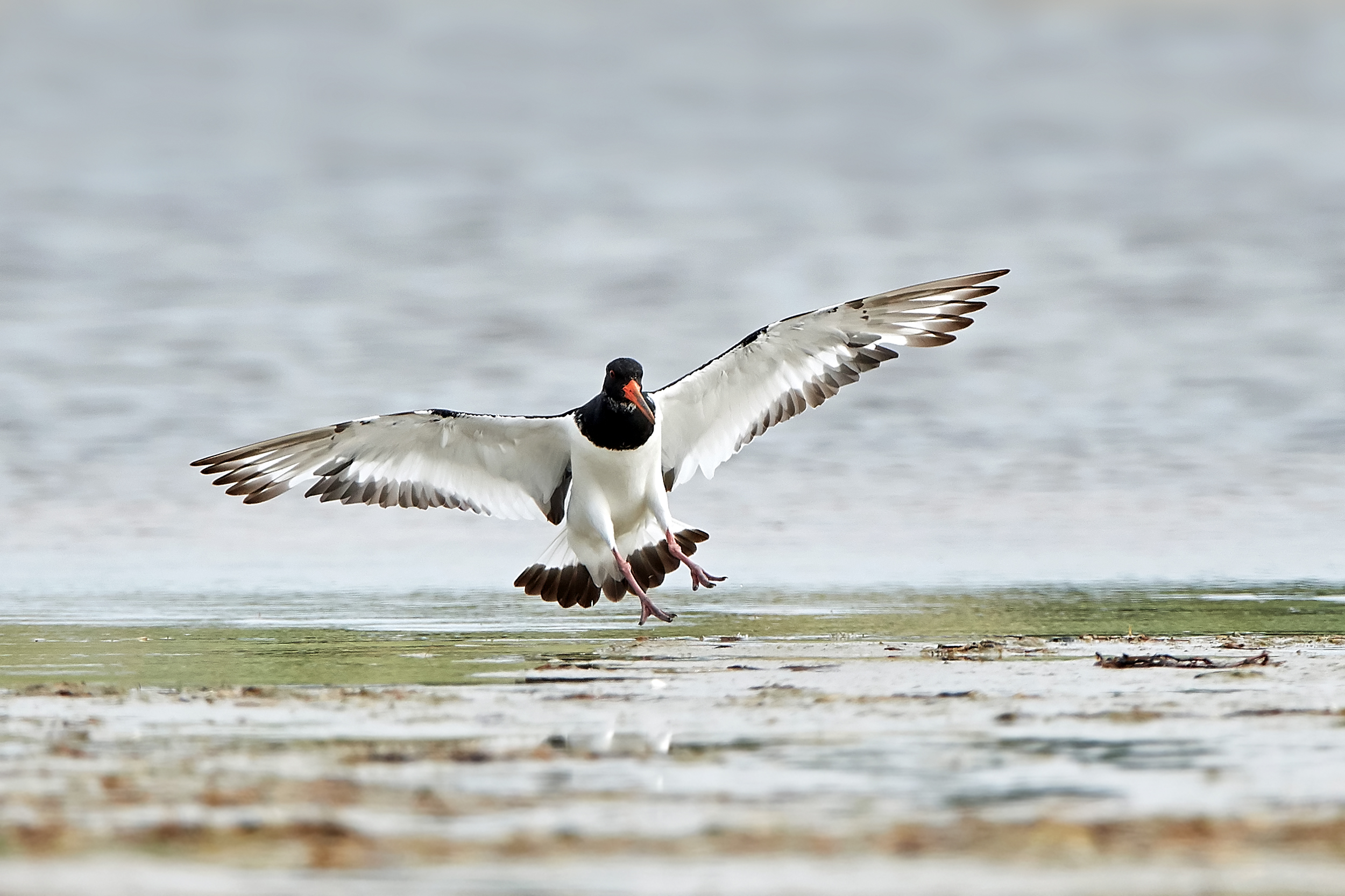
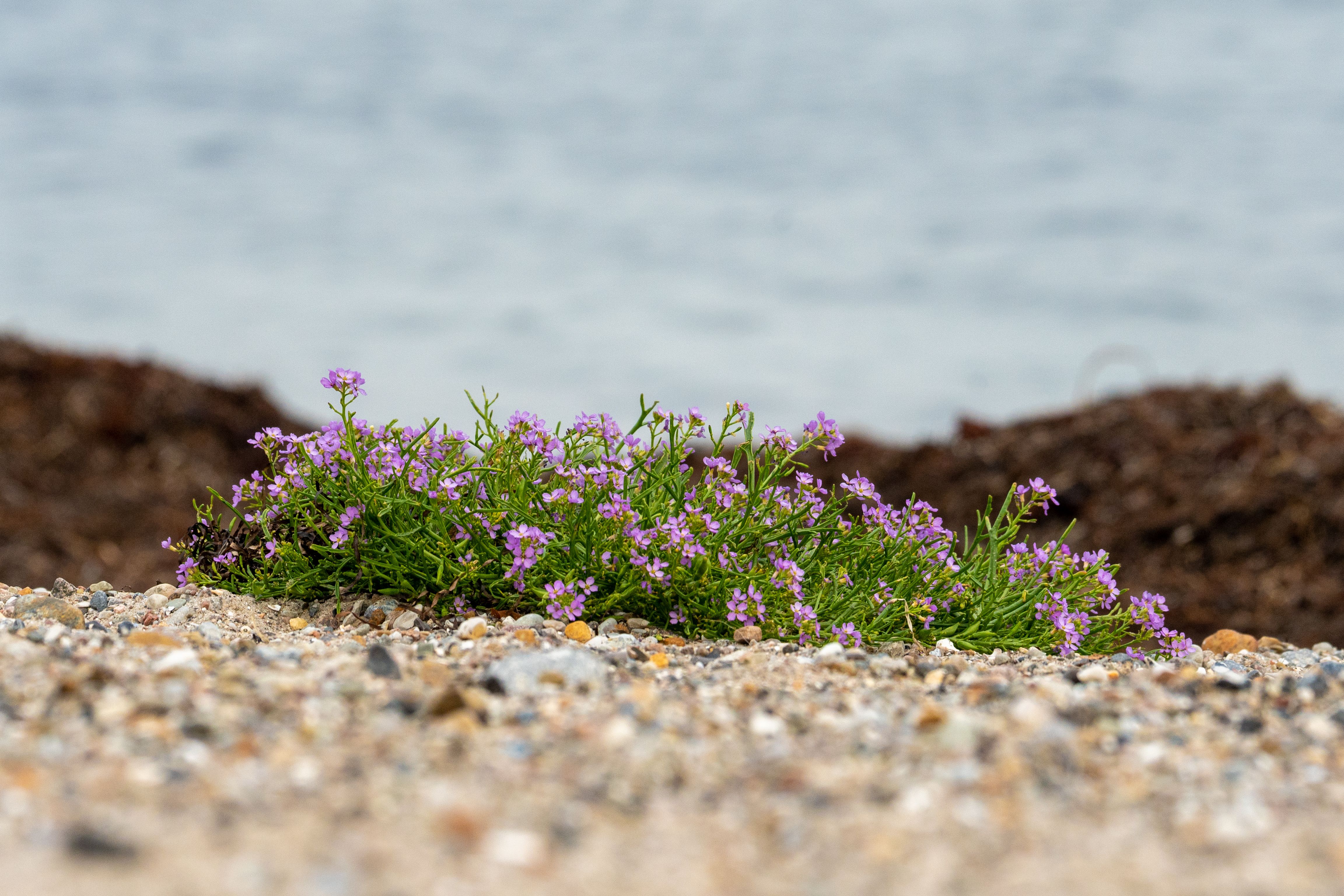
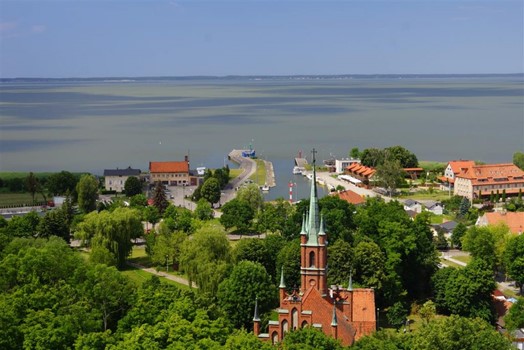
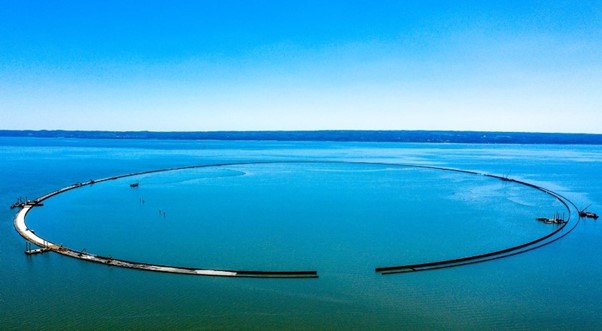
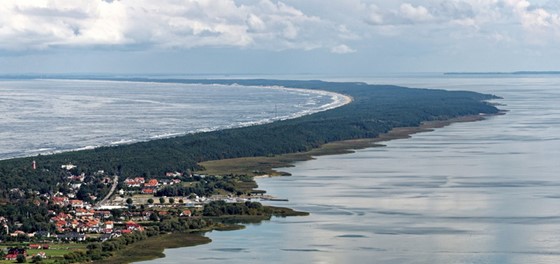
The Vistula Lagoon pilot site centres on the construction of an independent navigational channel connecting the Lagoon to the Baltic Sea, circumventing the previously obligatory passage through the Russian-controlled Strait of Baltiysk. This Government-led infrastructure project has opened the Lagoon to maritime trade, supporting the economic recovery of the southern banks around Elbląg. A 190-hectare artificial island, created from dredging spoils, serves as a sediment repository and a bird sanctuary with restricted access. Implementation ranges from 25% to 100%, with governance and environmental measures fully completed. Monitoring has recorded significant populations of terns, plovers, and shelducks.
- Geopolitical isolation due to dependence on the Russian-controlled Strait of Baltiysk
- Environmental disturbance risk from dredging and channel construction
- Extensive earthworks requiring long-term sediment management
- Disposal and stabilisation of fine-grained dredge spoil
- Loss of ground-nesting bird habitat
- Competing species conservation objectives and carbon trade-offs
- Risk of unregulated access and governance failure
- Independent maritime connection operational (50%)
- Sediment storage: 4.6 million m³
- Artificial island: 190 hectares
- Environmental disturbance: 100% implemented
- Earthworks & sediment management: 25%
- Habitat function: 25% (bird sanctuary active)
- Bird counts: common tern (280 pairs), little tern (82), ringed plover (8), little ringed plover (10), shelduck (1)
- Access and governance: 100% (restricted access, Maritime Office)
- Scale: Regional
- Countries: Poland, Russia
- Coastal elements: island, lagoon
- Species: macroalgae and seagrass species
- Complete Elbląg harbour overhaul
- Continue sediment management and island development
- Initiate grassland management for habitat
- Expand monitoring programmes
- Maintain strict governance and access control
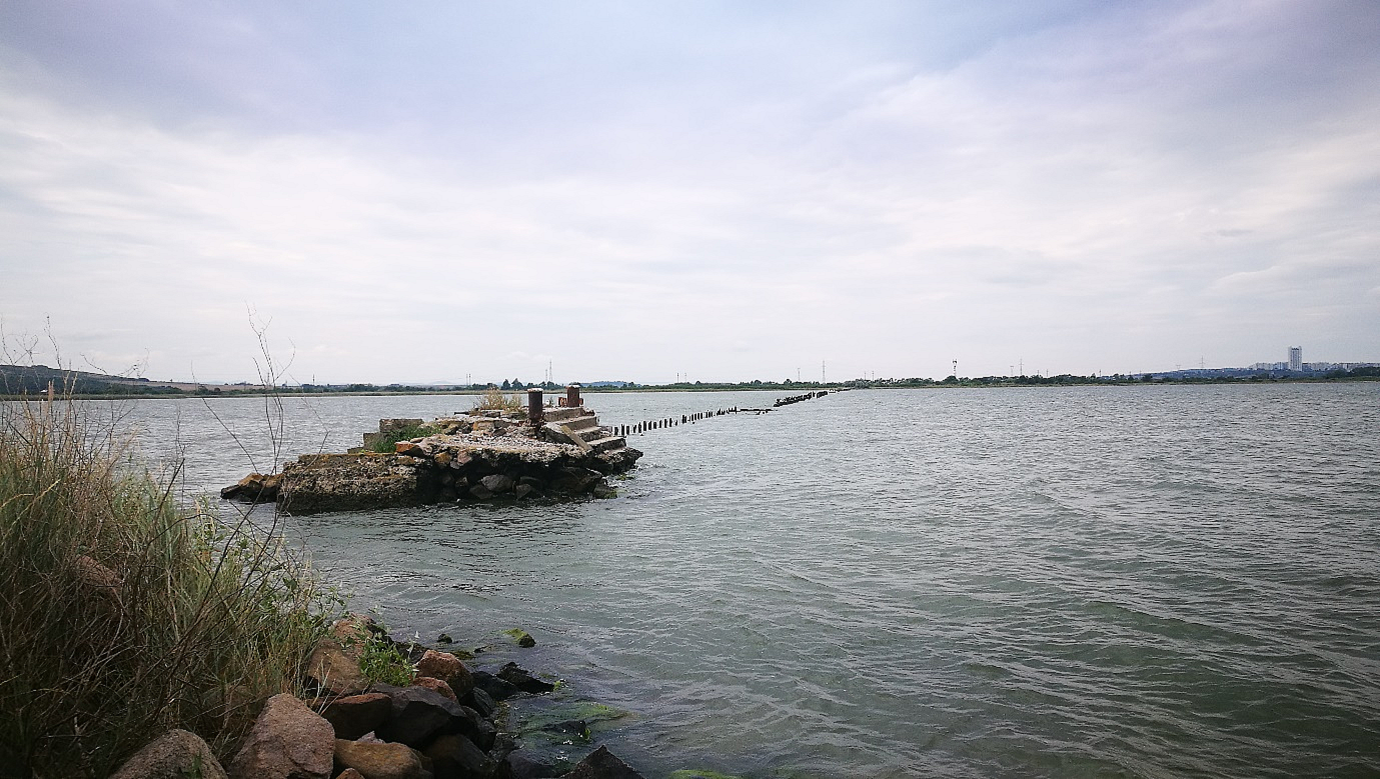
The Foros Bay pilot site, located on the Black Sea coast of Bulgaria in the vicinity of Burgas Bay, is characterised by complex and overlapping pressures stemming from decades of hydrological modification, habitat degradation, and ongoing development pressure. Many of the modifications to the coastal system are irreversible in the short term, and physical restoration works remain at early or partial stages of implementation. Rather than achieving full on-the-ground restoration, the project focused on seagrass restoration piloting, siltation management planning, and the development of a scenario-based adaptation pathways framework for Nature-based Solutions. These interventions lay the groundwork for future restoration at scale, with key measures anticipated to be taken forward by municipal and regional authorities.
- Severe alteration of natural water circulation
- Long-term wetland loss and habitat conversion
- Hydrological modification from damming and canal construction
- High nutrient loads and eutrophication
- Port, shipyard, and marina development pressure
- Progressive fragmentation of sea–land ecological connectivity
- Irreversible historical modifications to the coastal system
- Ongoing risk of further deterioration
- Seagrass restoration pilot: 0.03 ha (Aug 2024)
- Survival rate: ~5% (June 2025), new shoots established
- Hydrological modelling to support barrier removal decision
- Siltation basin design approved through full regulatory process
- Water circulation & connectivity: 25% (modelling and proposed measures)
- Wetland loss & habitat conversion: 50%
- Hydrological modification: 50% (implementation pending)
- Eutrophication: 0% (addressed in pathways only)
- Ecological connectivity: 25%
- Irreversible modifications & deterioration risk: 25%
- Scale: Regional
- Countries: Bulgaria
- Coastal elements: bay
- Species: macroalgae and seagrass species
- Scale up seagrass restoration
- Implement approved siltation basin
- Restore hydrological connectivity
- Implement dune and nature-based buffer measures
- Address upstream nutrient inputs
- Establish monitoring and adaptive management
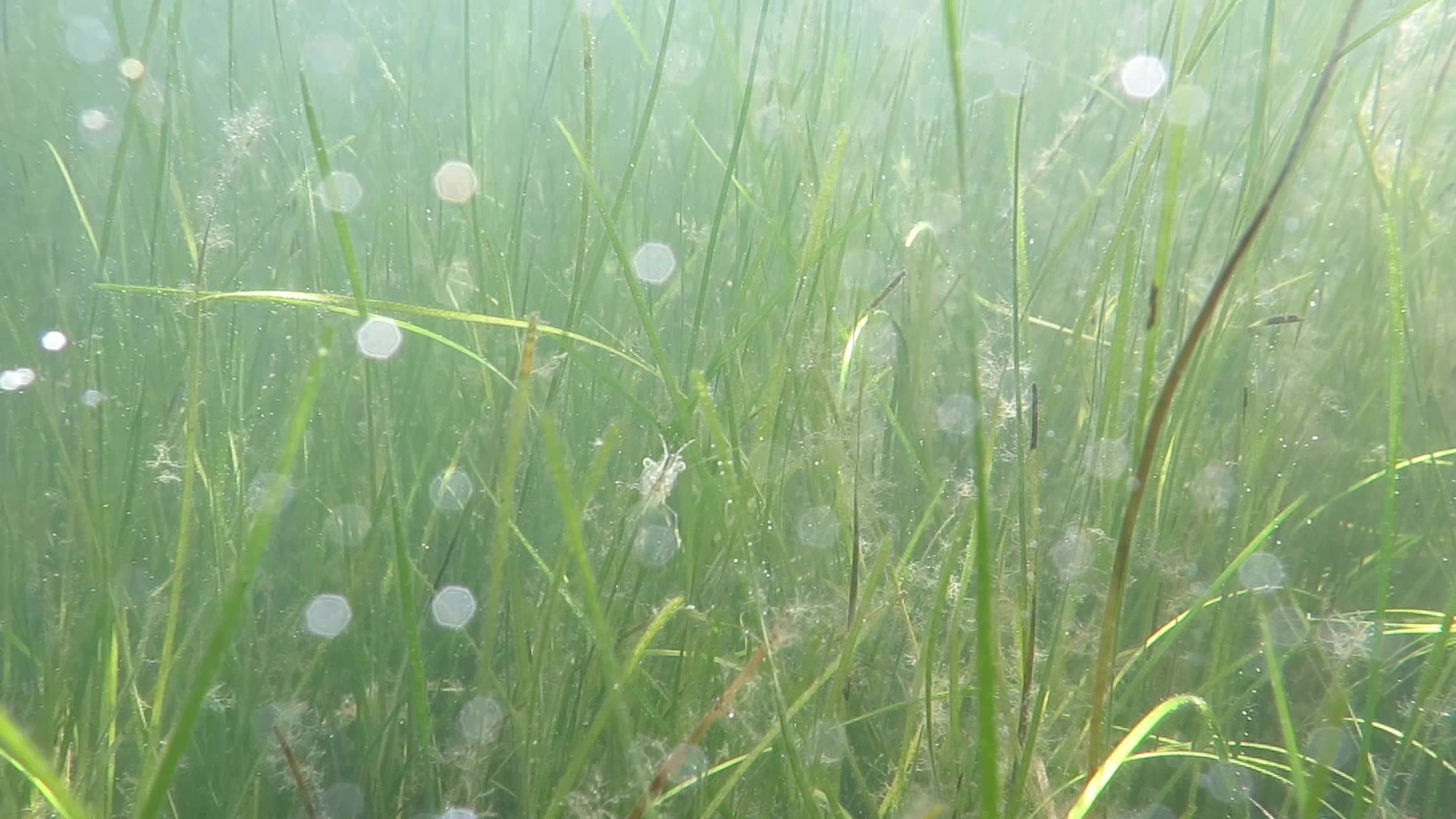
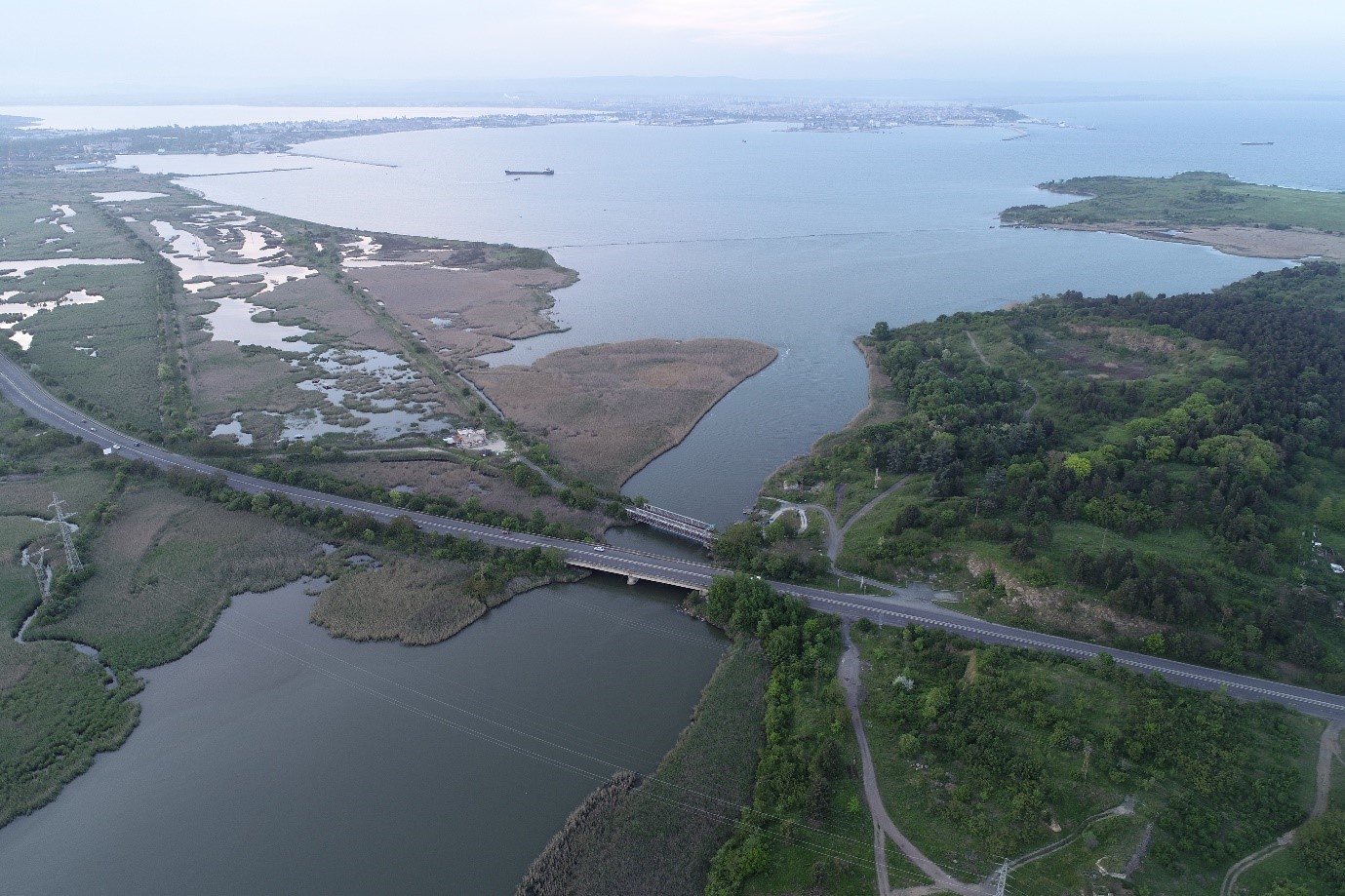
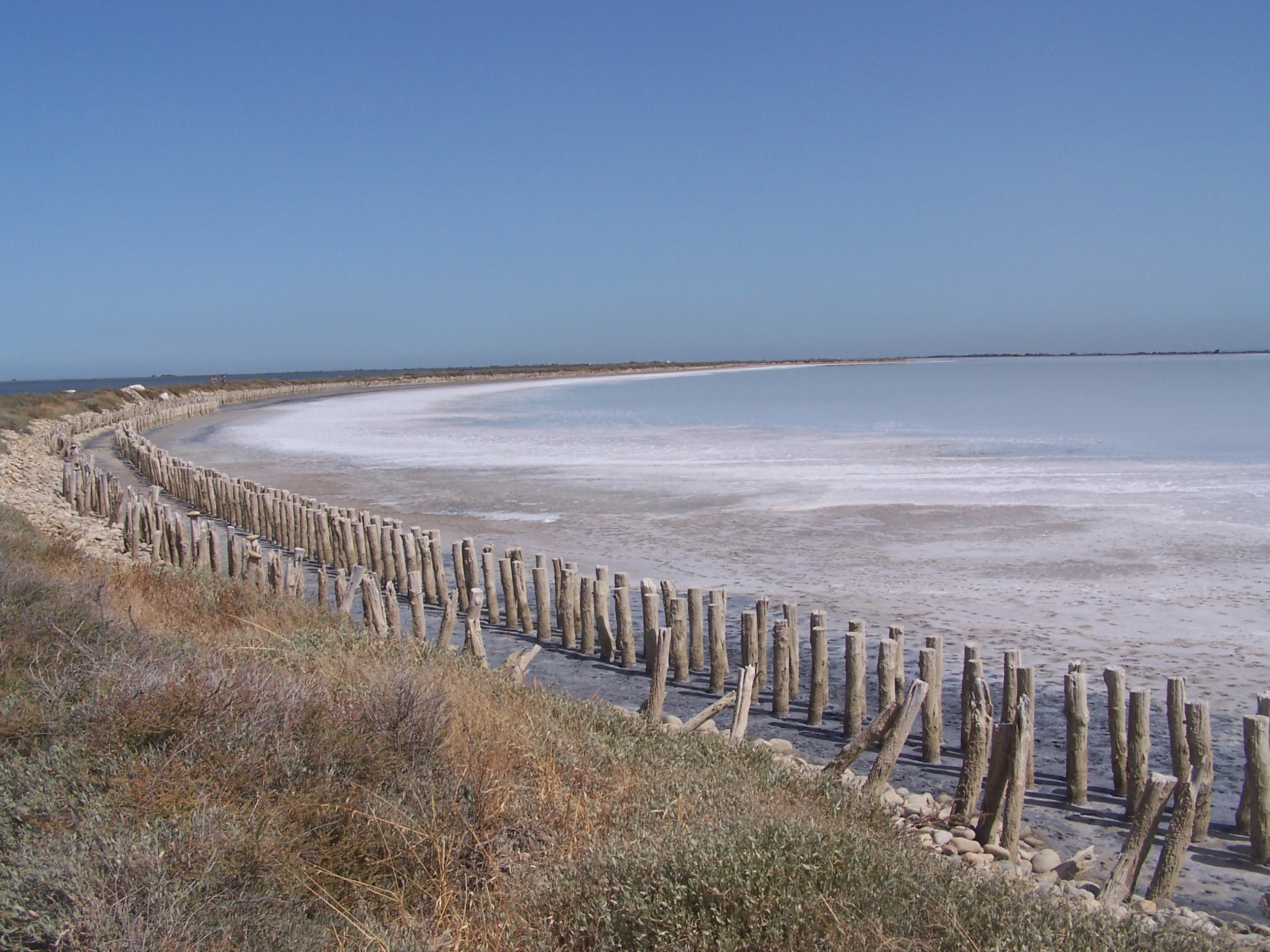
The Rhône Delta pilot site, a former industrial saltern in the Camargue, has undergone a major ecological transformation under the REST-COAST and LIFE+MC Salt programmes. The 4,600-hectare site is being converted into a nature reserve to restore coastal and lagoon ecosystems and build resilience to sea-level rise and storm surge risk. The restoration strategy combines passive recovery in the southern sector through reconnection to the sea, with active water management in the northern sector linked to Rhône freshwater sources. Implementation is strong, with four of six challenges at 75–100% and nearly 250 hectares colonised by samphire. Governance has improved through a management plan and CORE-PLAT platform, with remaining challenges including inland dike completion and freshwater supply.
- Legacy of long-term industrial salt production and associated hydrological and ecological degradation
- Unsustainable water and dike management
- High confinement and poor water renewal in former salt ponds
- Extreme salinity and seasonal drying risks
- Exposure to climate-change-driven hazards
- Need to realign coastal defence strategy
- Complex hydrological reconfiguration
- High governance and coordination complexity
- Water and dike management: 100% (water circulation restored)
- Water levels (winter): 0.4–0.5 m NGF
- Water renewal: 100% (sea reconnection and freshwater inflow)
- Ecological response: increased benthic species richness
- Macrophytes established: Ruppia spiralis, Zostera noltei, red algae
- Green algae reduced (Cladophora, Ulva/Chlorophyta)
- Salinity and drying risks: 75% (drying eliminated, variability restored)
- Climate adaptation: ~250 ha saltmarsh vegetation (samphire)
- Coastal defence: 75% (seafront dyke abandoned, inland dike used)
- Overwash barrier: ~800 m width, +0.8 m vertical range
- Governance: 75% (management plan and CORE-PLAT operational)
- Scale: Regional
- Countries: France
- Coastal elements: delta, lagoon
- Species: migratory and breeding wetland birds, migratory fish species, Mediterranean halophilous scrubs, Salicornia and other annuals, seagrass
- Complete inland dike enhancement
- Secure long-term freshwater supply
- Maintain and expand monitoring programmes
- Improve coordination on water governance
- Strengthen public communication and stakeholder engagement
- Explore carbon sequestration mechanisms
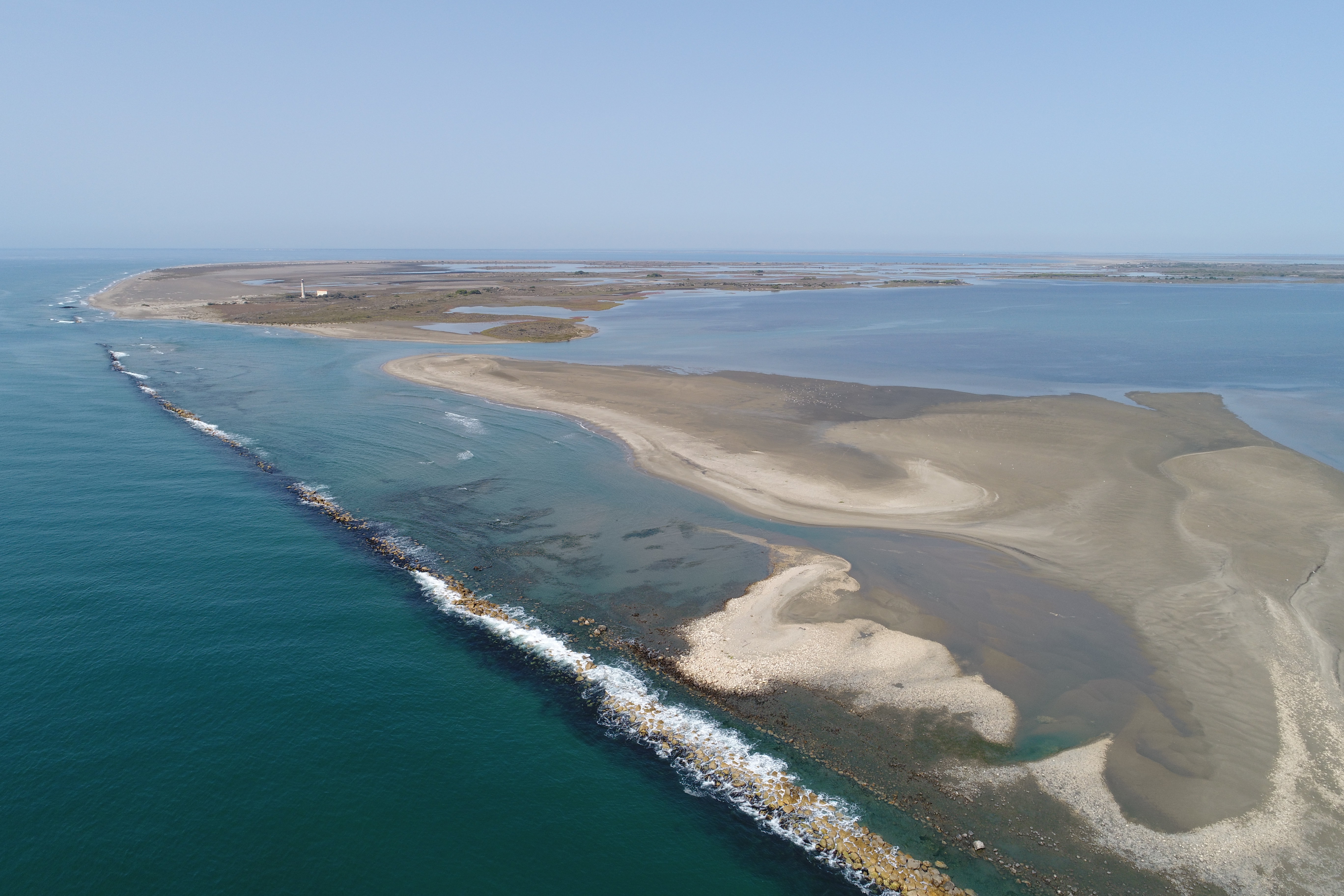
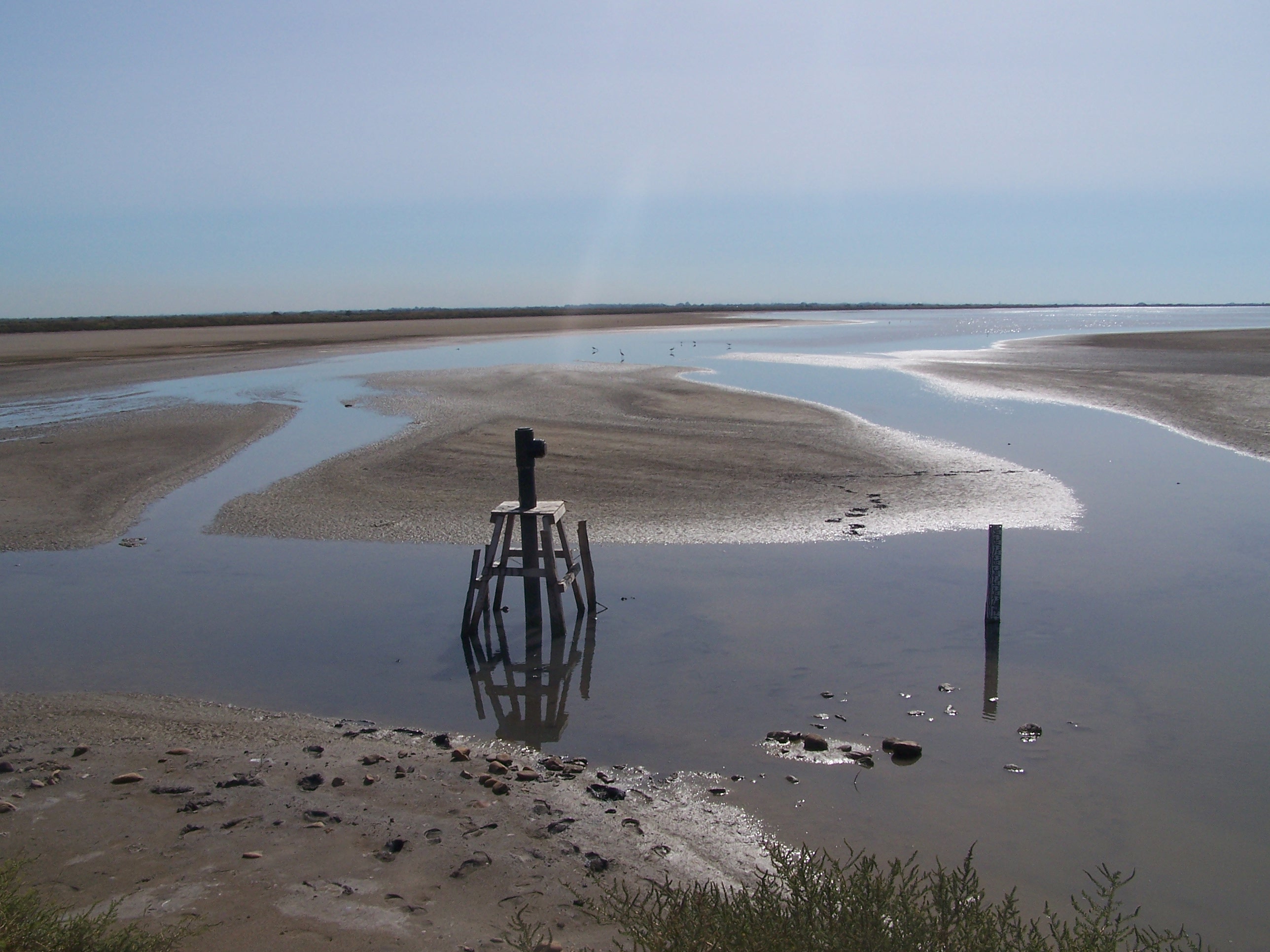
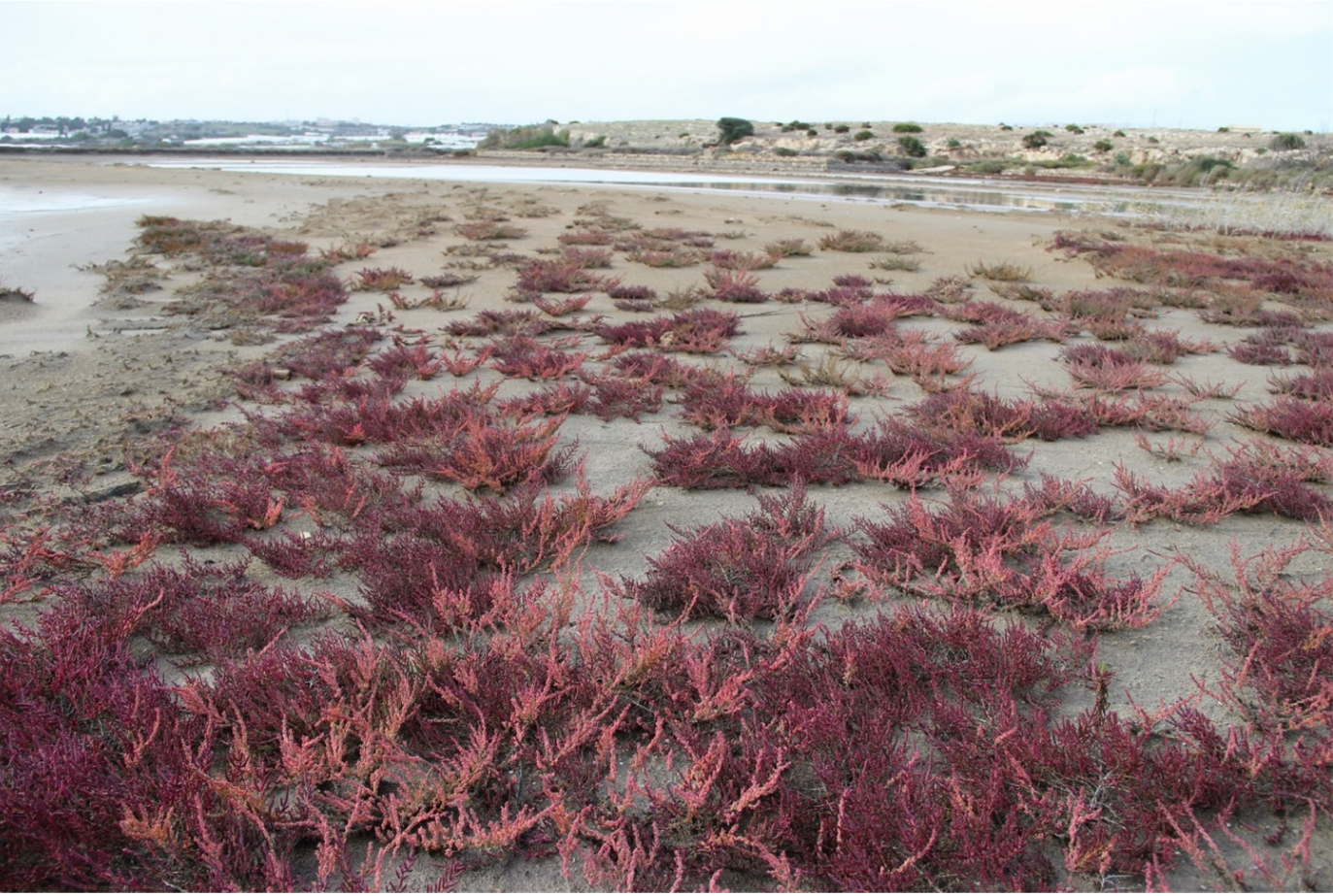
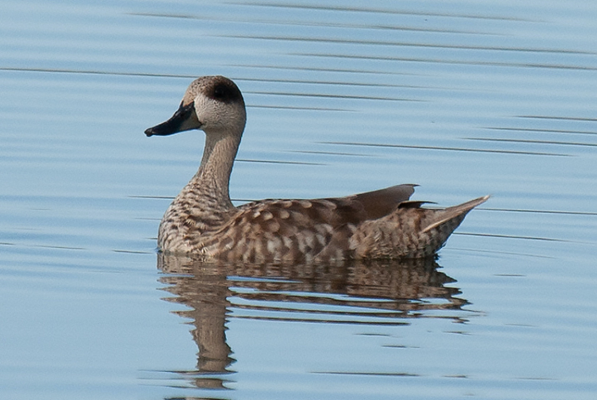
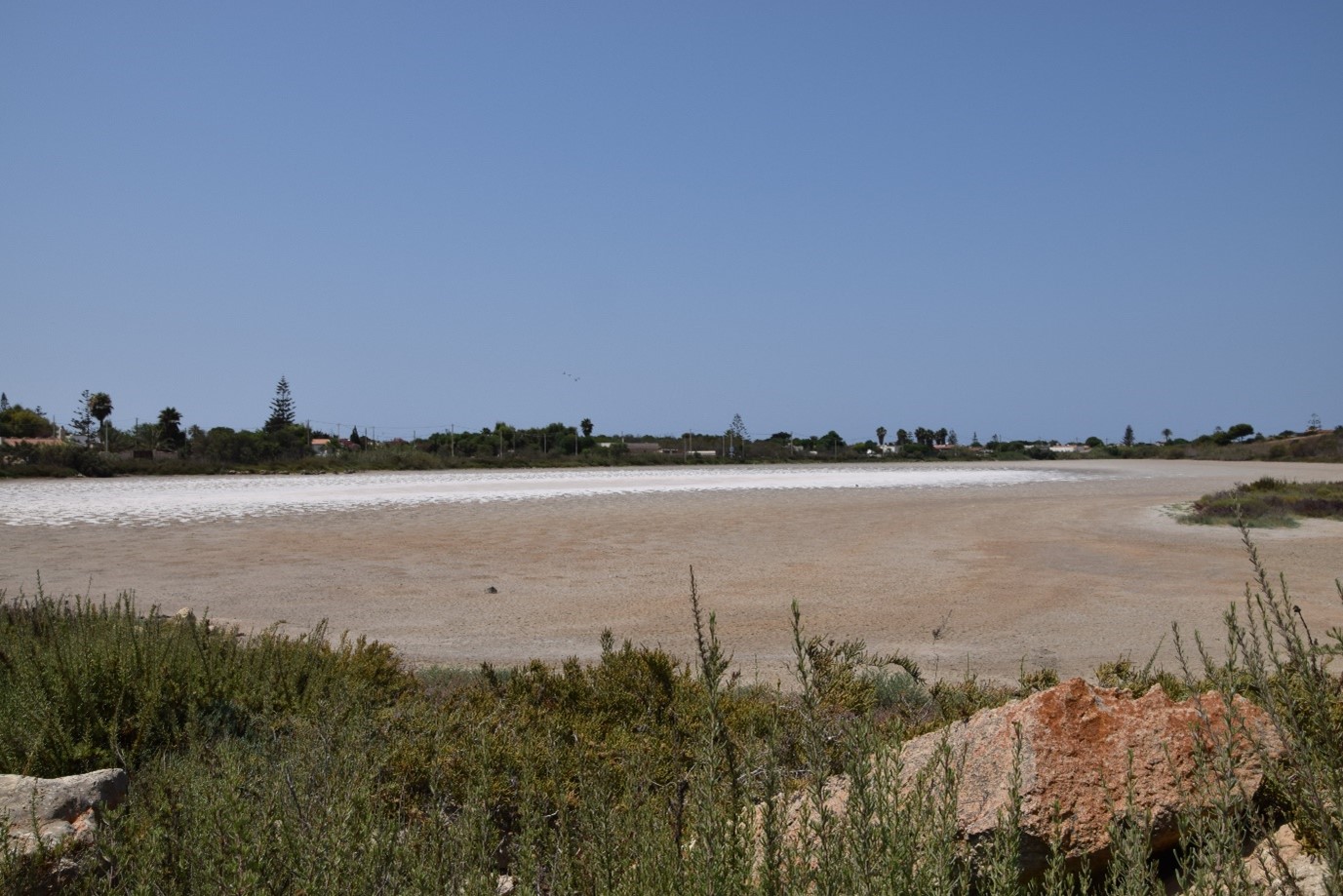
The Sicily Lagoon pilot site, centred on the Cuba-Longarini lagoon complex on Sicily’s southern coast, covers approximately 182 hectares of interconnected lagoon habitats (Longarini: 122 ha, Cuba: 60 ha, plus 10 ha of fish-farm ponds). The site underwent ecological restoration under REST-COAST, complemented by LIFE Marbled Duck actions. Six of eight challenge areas reached 100% implementation, one reached 50%, and coastal dune restoration was addressed through modelling and evidence-building, with physical implementation secured under INTERREG WETWISE by 2027. Restoration was led by the Pro-biodiversity Foundation SPA in partnership with the University of Catania and the Sicily Region.
- Anthropogenic encroachment and growing human pressure on lagoon habitats
- Excessive freshwater withdrawal for irrigation and water management failures
- Physical degradation of coastal dunes
- Reduced hydraulic connectivity between lagoons and the sea
- Pollution-driven spread of invasive species and habitat degradation
- Illegal hunting
- Lack of continuous and effective ecological monitoring
- Limited stakeholder knowledge and expertise in lagoon management
- Anthropogenic pressure: 100% (perimeter fencing, access management)
- Freshwater withdrawal: 100% (sluice gate barrier across ~88 ha)
- Hydraulic connectivity: 100% (channel dredging, ~57% improvement)
- Invasive species & pollution: 100% (improved water quality and lagoon functioning)
- Illegal hunting: 100% (eliminated through site security)
- Monitoring: 100% (network covering biodiversity, hydrology, water quality)
- Stakeholder knowledge: 50% (CORE-PLAT engagement)
- Coastal dunes: 0% (modelling completed, implementation by 2027)
- Salt marsh restoration: 7 ha within a 300 ha zone of influence
- Scale: Regional
- Countries: Italy
- Coastal elements: lagoon, wetland
- Species: migrating birds, fish, saltmarsh vegetation
- Maintain hydraulic connectivity and water quality monitoring
- Implement coastal dune restoration by 2027
- Expand biodiversity monitoring
- Maintain site security measures
- Complete stakeholder capacity-building
- Strengthen governance and integration with wider planning
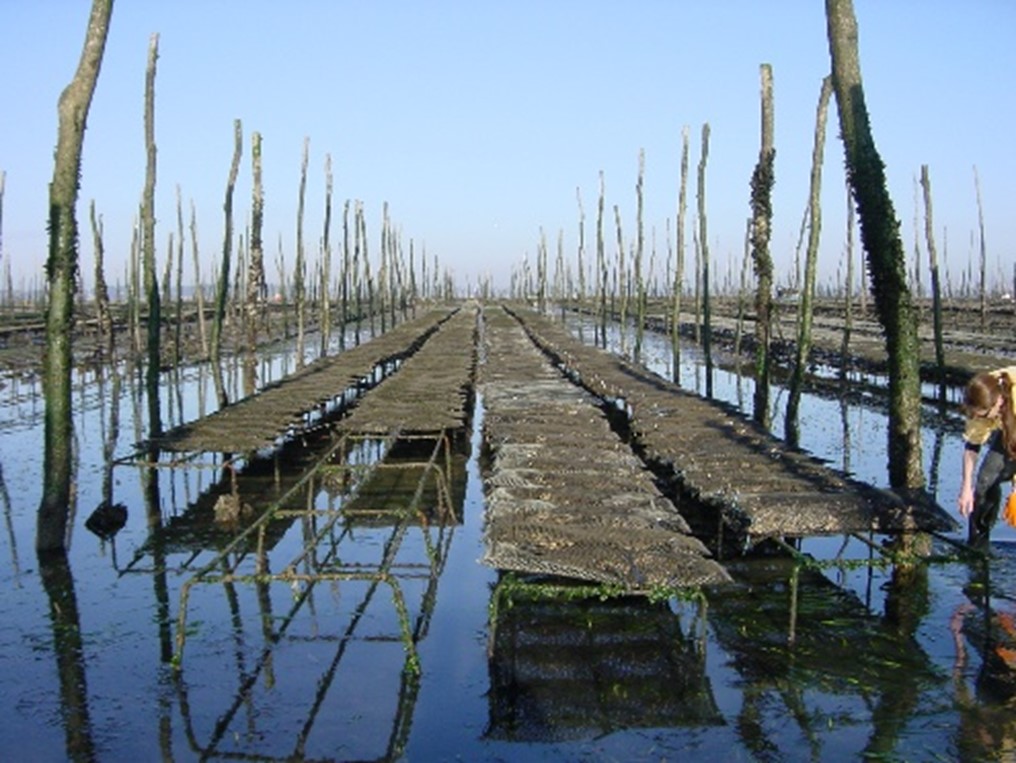
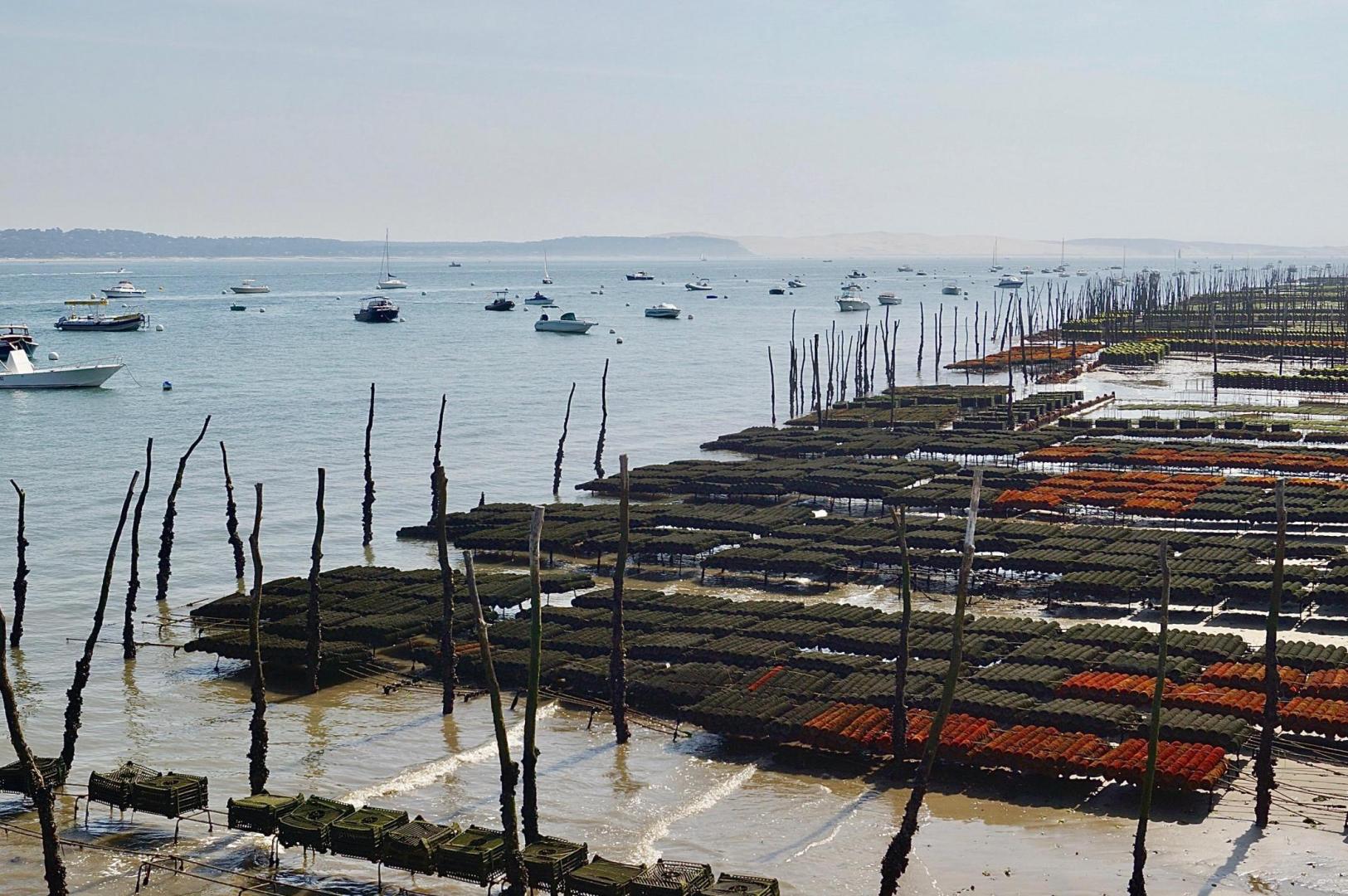
The Arcachon Bay pilot addressed the long-term decline of seagrass meadows through an innovative nature-based engineering approach combining hydrodynamic attenuation with biological restoration. The deployment of the Roselière® system (>1 ha at Gaillard site) successfully reduced near-bed flow velocities, enabling seagrass establishment in previously unsuitable conditions. Implementation ranged from 25% to 100% across challenges, with full delivery of hydrodynamic and sediment measures. Results show up to 70% seagrass survival in treated areas versus 0% in controls, and modelling indicates potential recovery of >300 ha by ~2045. The project demonstrates how breaking physical degradation feedback loops can unlock large-scale ecosystem recovery.
- Long-term Seagrass Decline and Fragmentation
- Mechanical Damage from Navigation and Aquaculture
- Altered Hydrodynamics and Sediment Dynamics
- Increased Water Turbidity
- Reduced Sediment Deposition and High Bottom Shear Stress
- Self-reinforcing Degradation Feedback Loop
- Climate Change and Temperature Stress
- Survival in treated areas: up to 70%
- Near-bed velocity reduction (shelter zone): 4–7 m downstream
- Reduction in high-stress exposure: ~20%
- Modelled recovery potential: >300 ha by ~2045
- Scale: Regional
- Countries: France
- Coastal elements: bay, coast
- Species: seagrass (Zostera noltii and all associated species living, feeding, hiding, spawning in the seagrass bed)
- Scale up deployment to suitable areas
- Develop basin-wide restoration strategy
- Establish cost-per-hectare benchmarks
- Introduce eco-moorings and exclusion zones
- Improve enforcement and user guidelines
- Validate across seasons and storm events
- Refine structure design and anchoring
- Expand to additional priority zones
- Monitor heat stress and identify refuge areas
- Combine with catchment-scale water quality measures
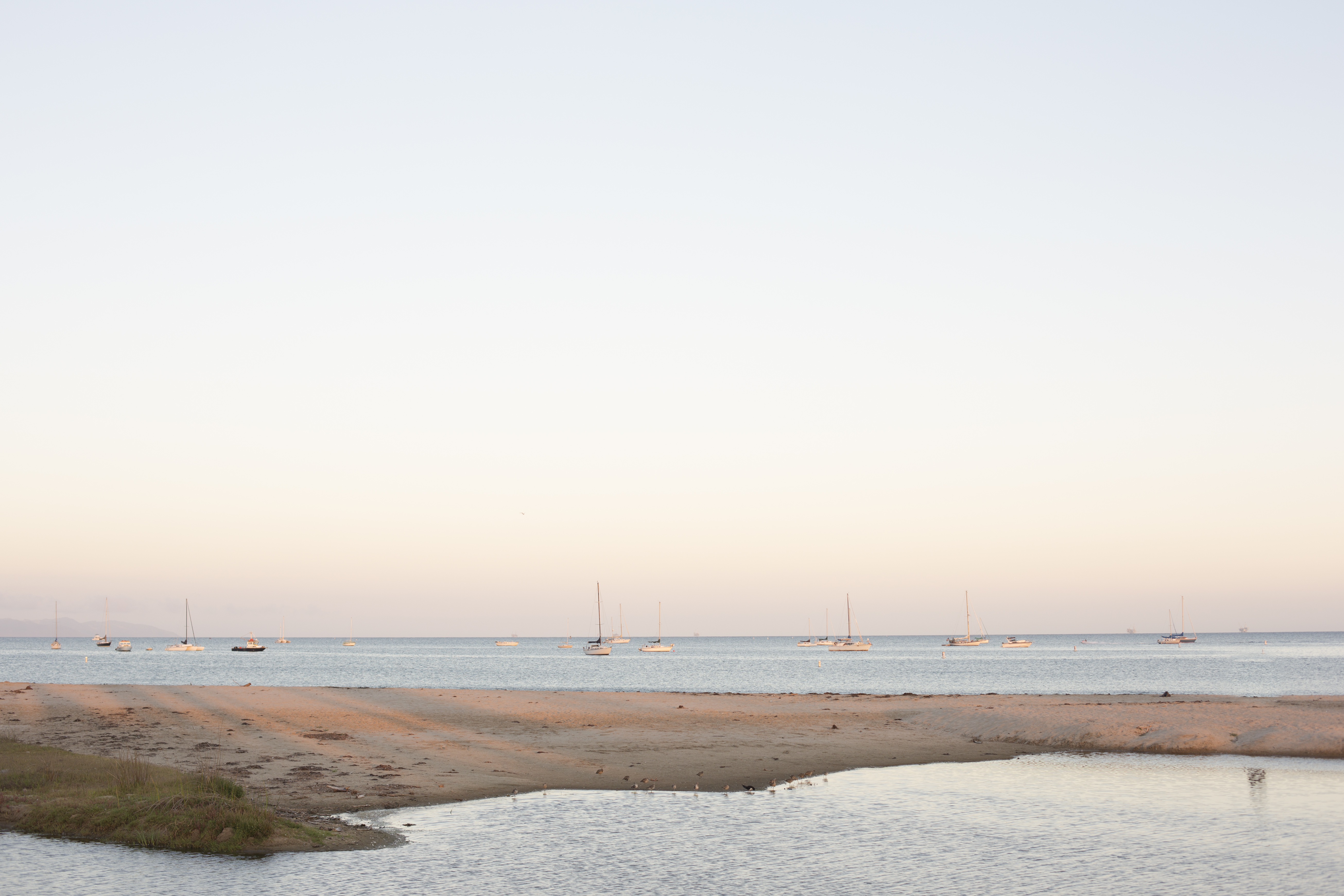
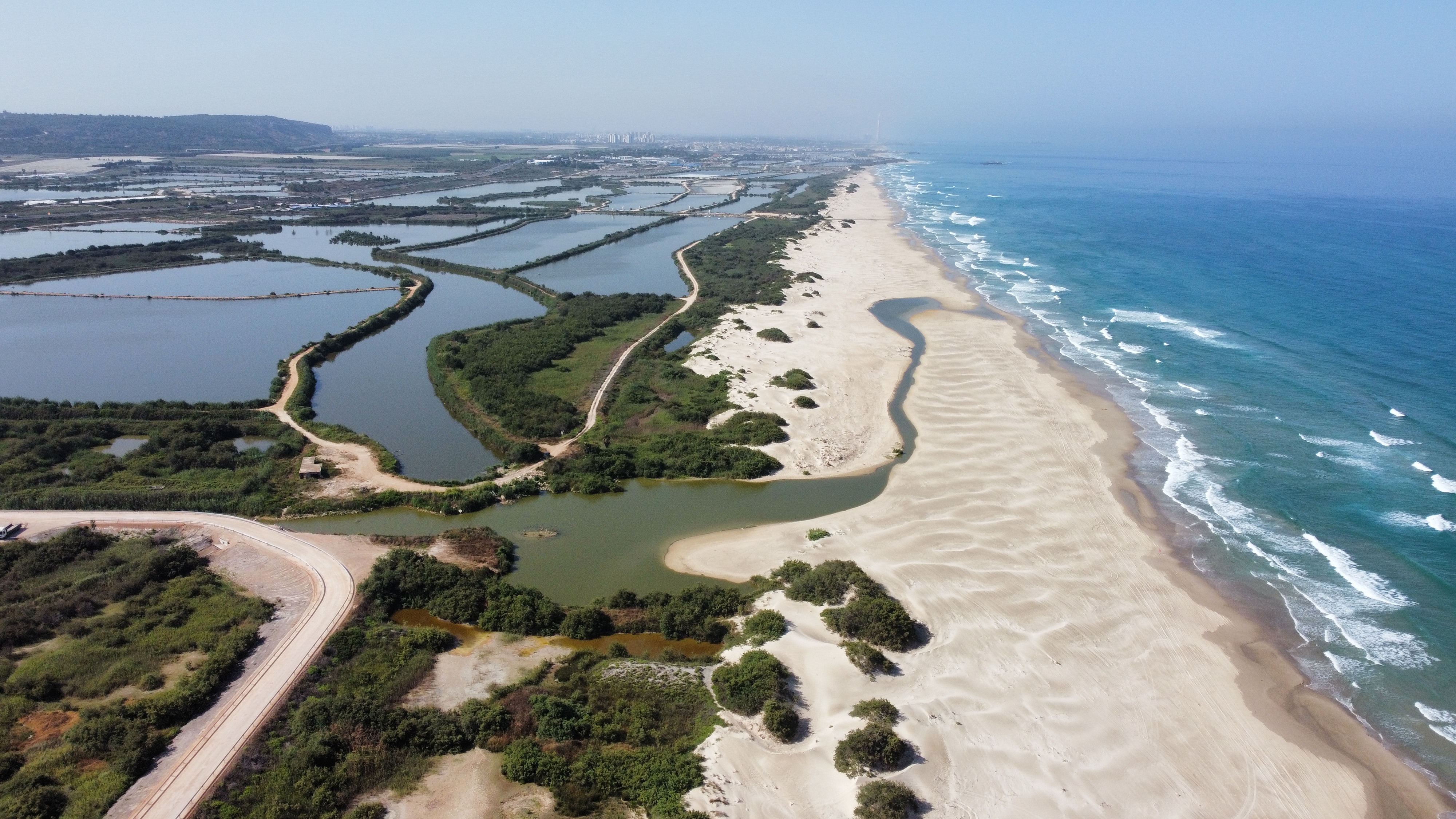
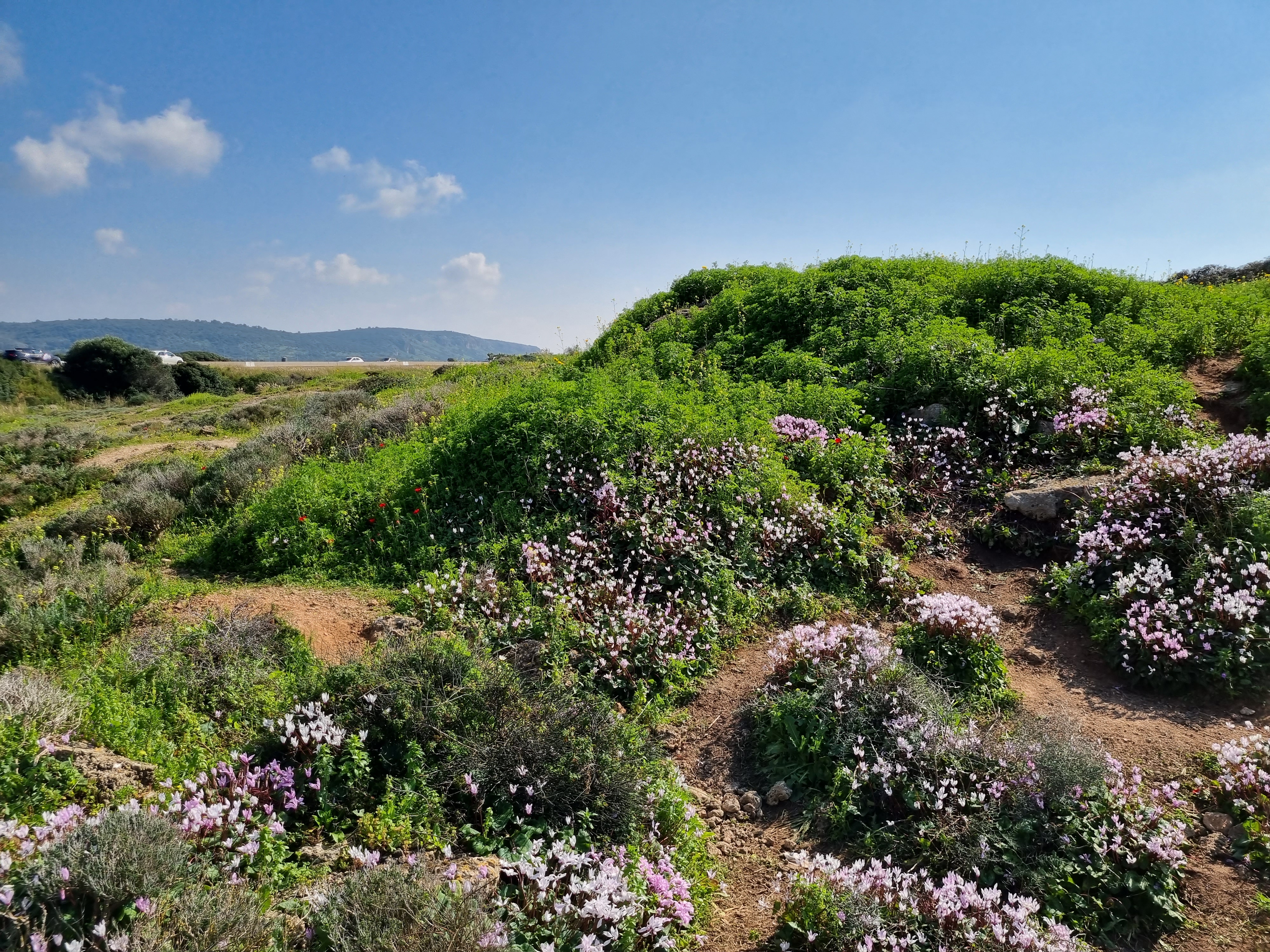
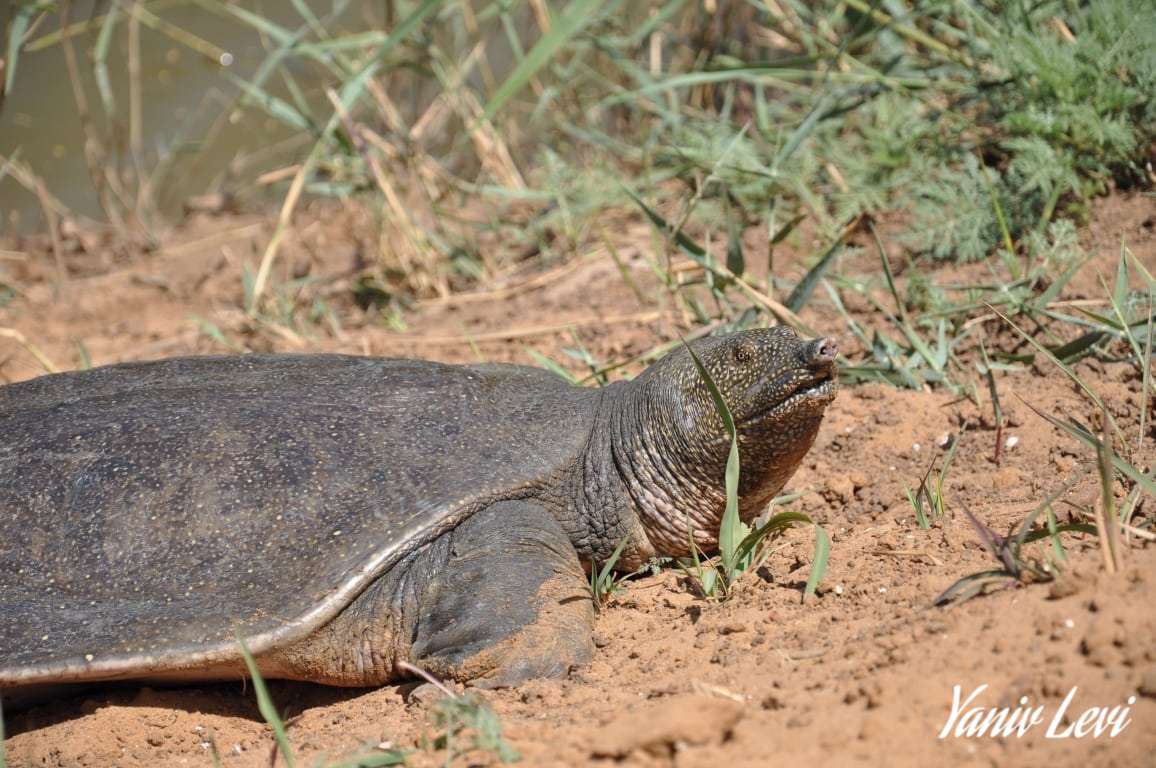
The Nahal Dalia pilot site addresses the long-term degradation of a coastal wetland system shaped by intensive aquaculture and competing land and water uses. The intervention targets interconnected challenges, including biodiversity loss, altered hydrology, water pollution, groundwater pressure, and governance complexity. Implementation varies across themes, with biodiversity restoration achieving the most advanced results: 3.5 km of restored riverbanks, two nesting islands constructed, and 53 bird species recorded, including threatened species. Hydrological management in the southern Difleh is now guided by ecological principles, and governance has improved through stakeholder coordination and a regional water allocation framework.
- Severe biodiversity degradation driven by habitat fragmentation and altered water regimes
- Altered hydrology and loss of river–sea connectivity
- Water pollution from fishery effluents
- Over-abstraction of groundwater and salinisation risk
- Governance and policy misalignment
- Physical and operational risks from legacy infrastructure and visitor pressure
- Biodiversity restoration: 75% (3.5 km riverbanks restored; habitats for birds and turtles)
- Nesting islands: 2 (~500 m² each)
- Birds (2022–2025): 53 species, 15 breeders, 8 threatened (2 EN, 2 VU, 4 NT)
- Softshell turtles: nests in 5 clusters
- Indicator species: Ruppia maritima recorded
- Hydrology: 50% (southern Difleh disconnected; northern divided into habitat zones)
- Monitoring: continuous water-level sensors, wells, piezometers
- Water pollution: 0% (monitoring and treatment pilot; implementation planned 2026)
- Groundwater: 25% (2 million m³ allocation; threshold-based pumping rule)
- Governance: 25% (8 Steering Committee meetings; regional water plan initiated)
- Physical risks: 0% (no actions implemented)
- Scale: Regional
- Countries: Israel
- Coastal elements: estuary, lagoon
- Species: Endangered waterbird species, plants, turtle species, fish species
- Restore river–sea connectivity
- Implement water treatment solutions and bypass systems
- Complete hydrological restoration measures
- Refine groundwater management
- Strengthen governance frameworks and stakeholder coordination
- Ensure long-term financial sustainability