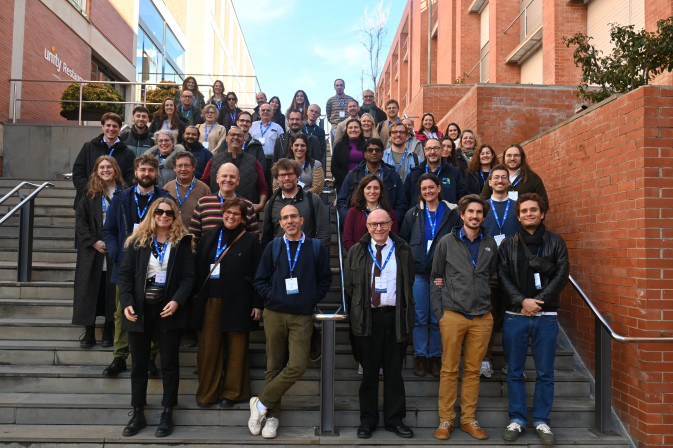
REST-COAST Final Meeting
After almost five years of collaborative research, the REST-COAST consortium came together for its final meeting, which was held from 2 to 5 February 2026 at the campus of the Polytechnic University of Catalonia (UPC) in Barcelona. The first day of the gathering coincided with the International Day of Wetlands, marking a timely opportunity to highlight the importance of restoring and protecting coastal and wetland ecosystems.
The event opened with an introductory speech by the rector of the Polytechnic University, emphasising the importance of coastal restoration and why the work of REST-COAST is important for shaping the future of the Spanish and European coasts, followed by updates on recent advances in assessing and upscaling coastal restoration across Europe from Eurecat - Technology Centre. In addition, the first day of the meeting included a dedicated session with local journalists, which was an important opportunity for the project to strengthen its local visibility and outreach, and to raise awareness of REST-COAST activities and impacts among local communities and stakeholders.
In the second session of the first day, experts from the Universitat Politècnica de Catalunya, Deltares and Lincoln University shared insights on scaling nature-based solutions (NBS) for coastal risk reduction from local modelling to global impact. All of the REST-COAST developments have been described in the project-derived reports, available on our public website library.
The second day was dedicated to financial mechanisms and governance frameworks for large-scale restoration. Partners from Global Climate Forum, Deltares and Pernice Collaborative presented their work on funding arrangements, investment criteria and policy recommendations to support the upscaling of coastal nature-based solutions across Europe.
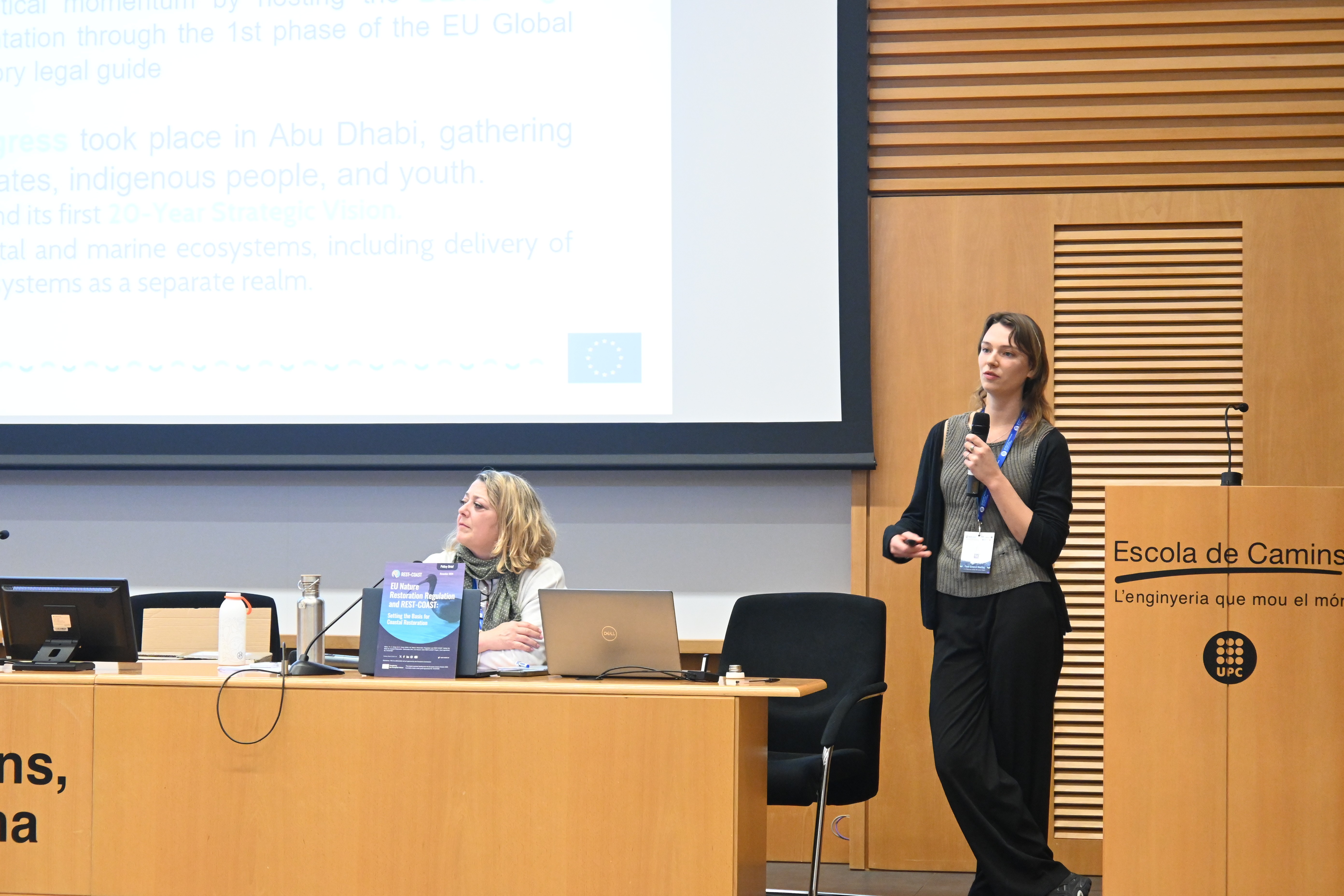
Further contributions by experts from Wageningen University & Research and Deltares showed how breaking large-scale coastal restoration into smaller, homogeneous nature-based solution building blocks can optimise interventions, enhance synergies, and minimise environmental impacts. By combining early stakeholder engagement with data-driven methodologies, including adaptation pathways and a Quick Scan Tool, this approach supports objective decision-making and helps bridge the gap between planning and large-scale implementation.
Colleagues from the IUCN Centre for Mediterranean Cooperation shared the best practices for moving coastal restoration beyond pilots and into real, large-scale impact. Their work on transformative governance for restoration upscaling presents how REST-COAST is tackling one of the biggest bottlenecks to upscaling NBS. The full list of policy recommendations, developed by the IUCN team, is available here.
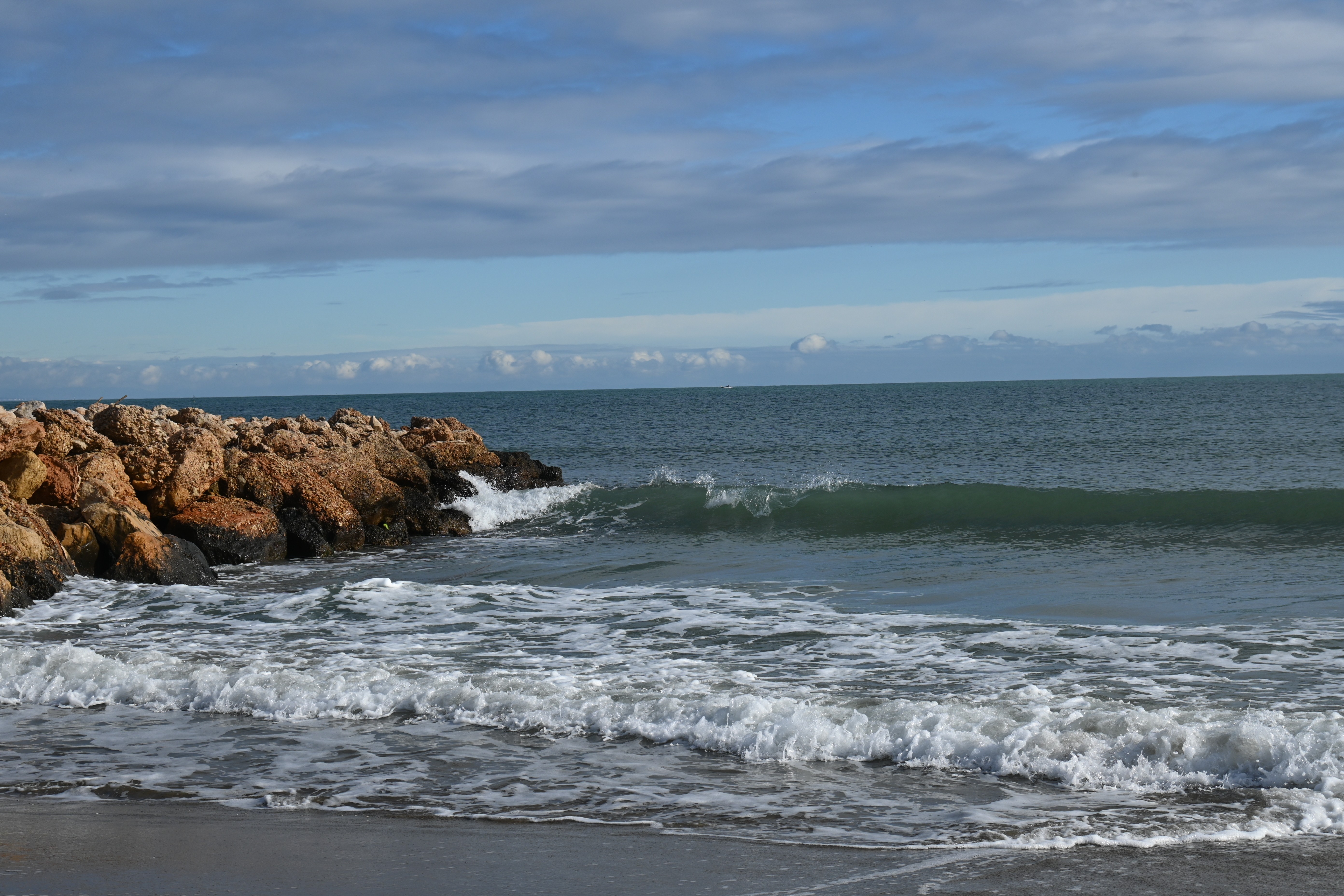
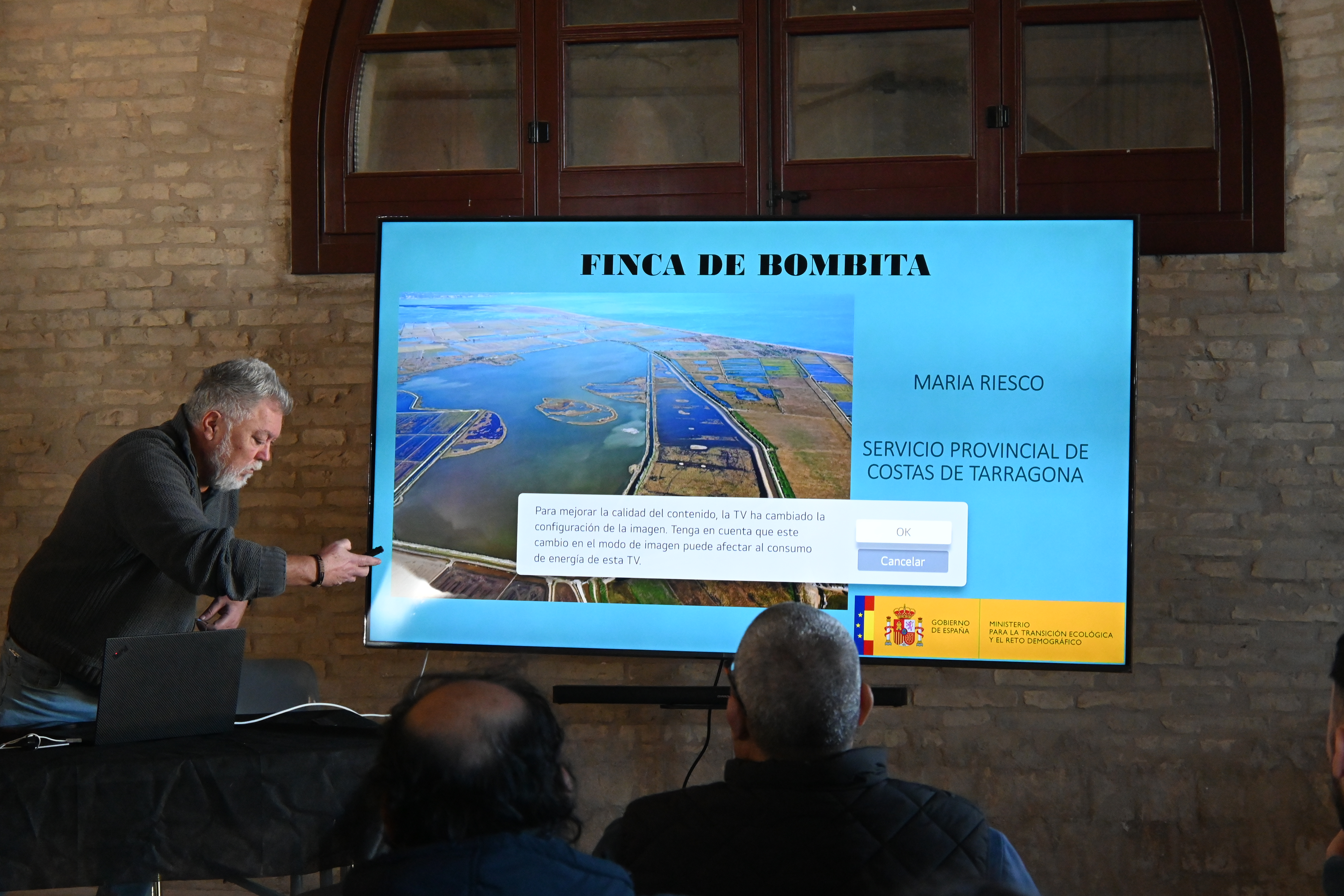
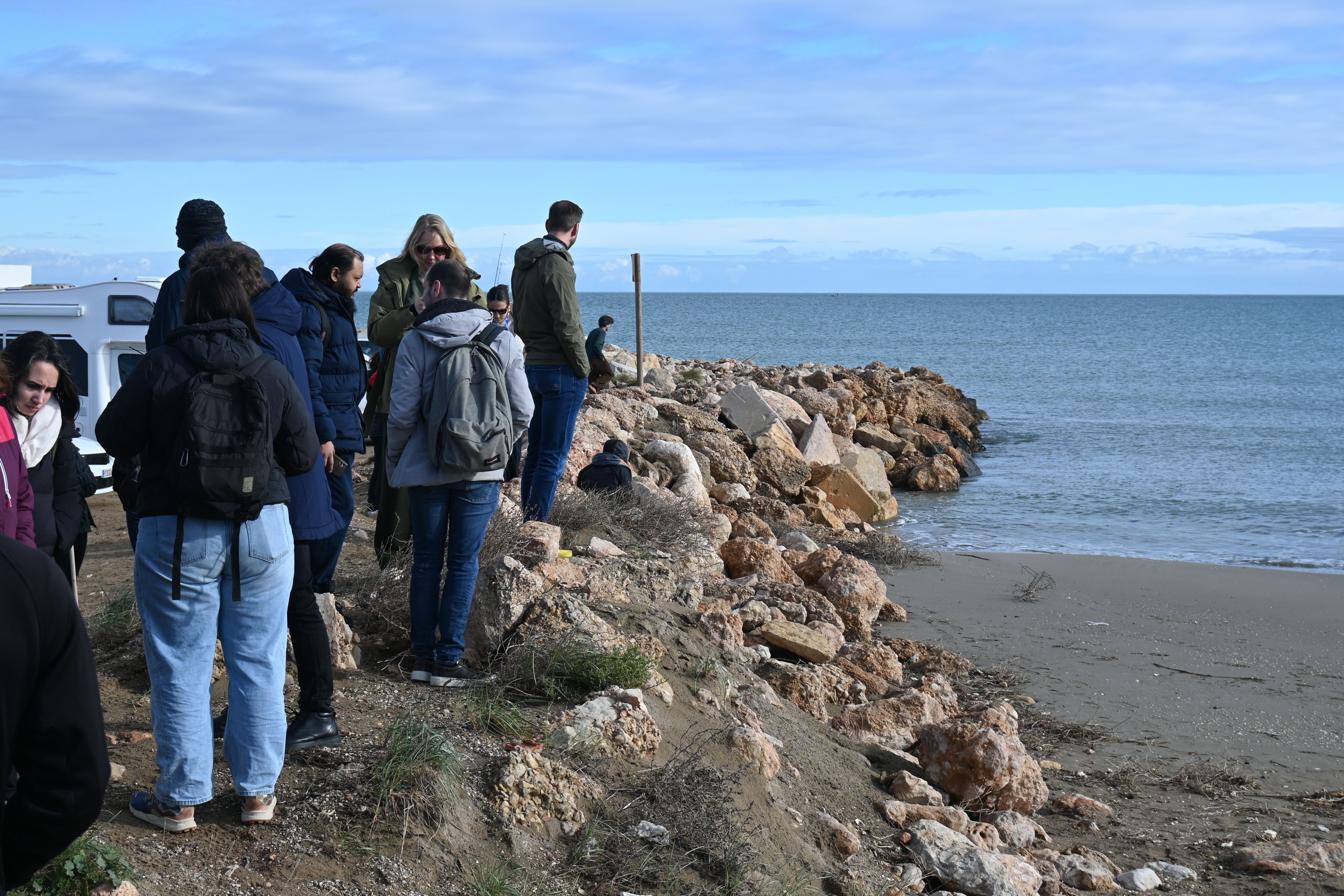
The third day was devoted to field activities in the Ebro Delta. Participants visited restoration works in La Marquesa, including the dune systems implemented in Fangar Bay, and carried out a field visit to Bombita. The Eurecat team highlighted local interventions and shared insights about climatic huts and their role in climate monitoring and adaptation.
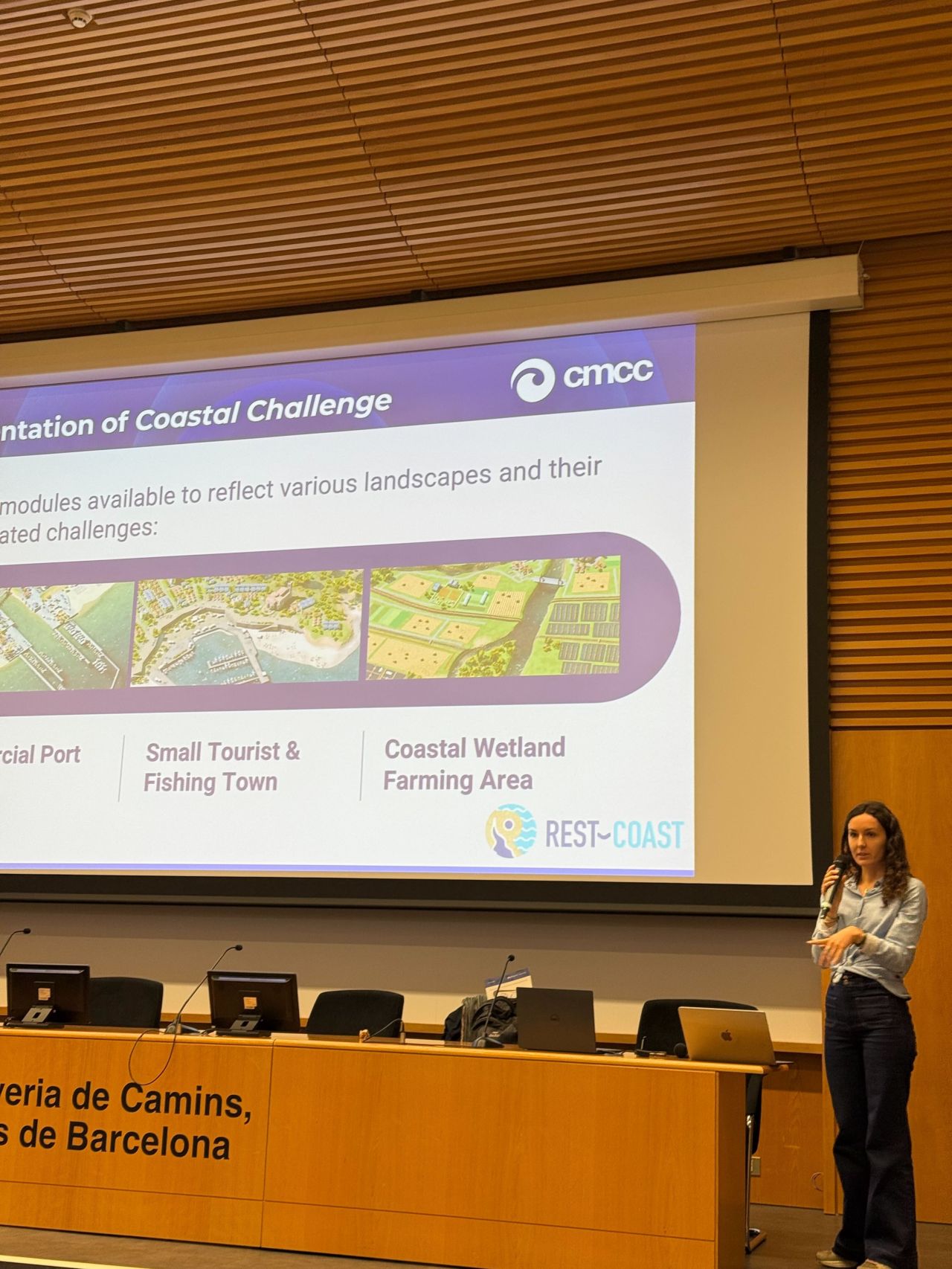
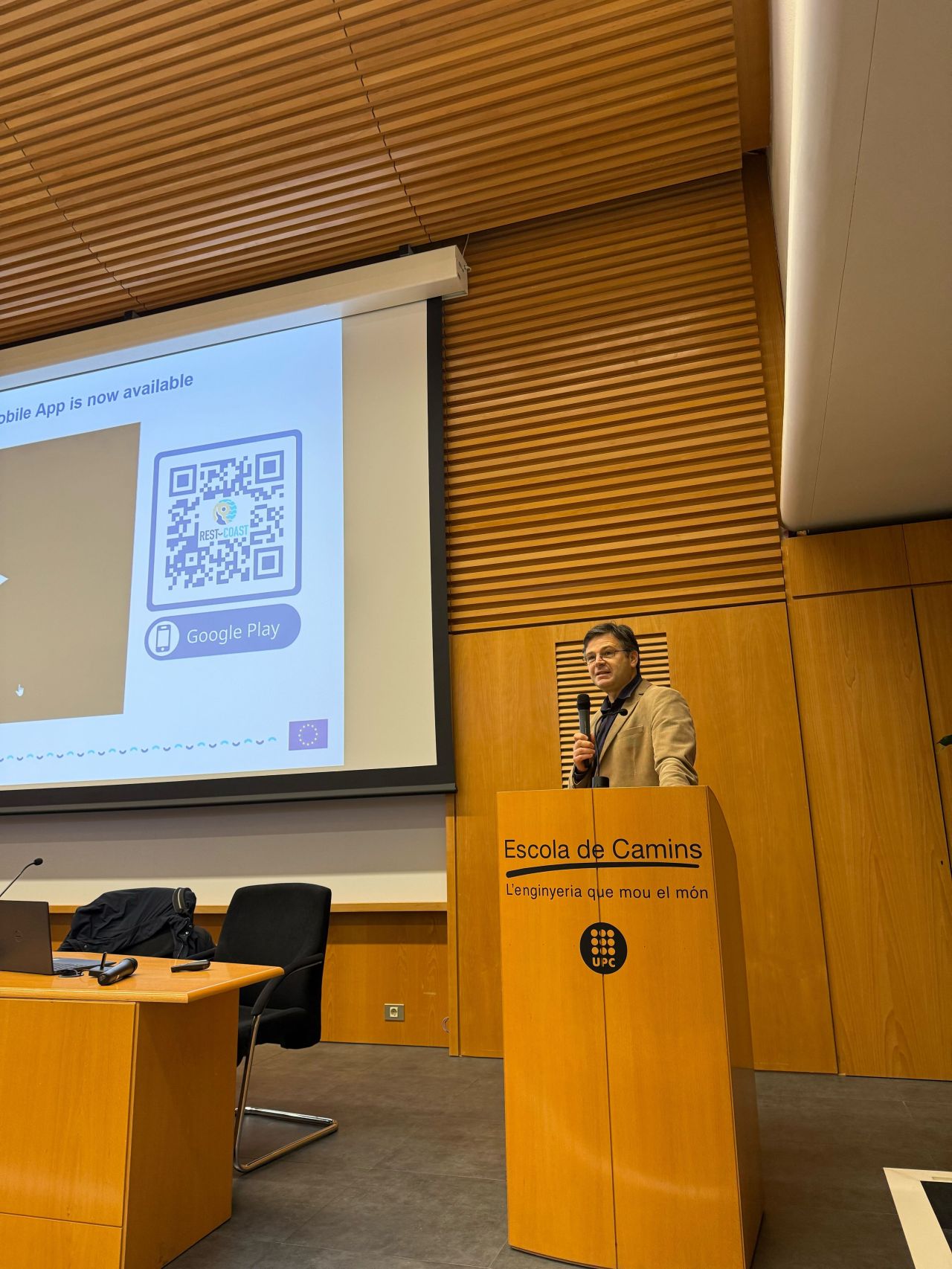
During the fourth and final day, representatives of Pensoft Publishers and the CMCC Foundation showcased social transformation tools that were developed within the scope of the project, such as the MyREST-COAST mobile app - an educational tool created to raise awareness and share scientific knowledge in an interactive experience, allowing users to explore real restoration scenarios across nine pilot sites. MyREST-COAST can now be accessed through Google Play and App Store. Participants also tested the REST-COAST serious game, Coastal Challenge, with the opportunity to understand its dynamics.
Over four and a half years of collaborative work, REST-COAST has produced scientific knowledge, operational tools and policy-relevant insights to support nature-based solutions for coastal resilience. The Final Meeting in Barcelona provided a comprehensive overview of how the project has advanced coastal risk reduction, ecosystem restoration and evidence-based decision-making across Europe.
The results delivered across all Pilot sites demonstrate how the project has improved coastal risk reduction, restored ecosystems, and supported decision-making based on evidence in Europe. At Arcachon Bay, the La Roselière device was deployed to support the natural recovery of seagrass meadows through Egis’s startup Seaboost, while Egis teams also developed a process-based eco-morphodynamic model for risk reduction assessment and a GIS dashboard to visualise key indicators across all Pilot sites.
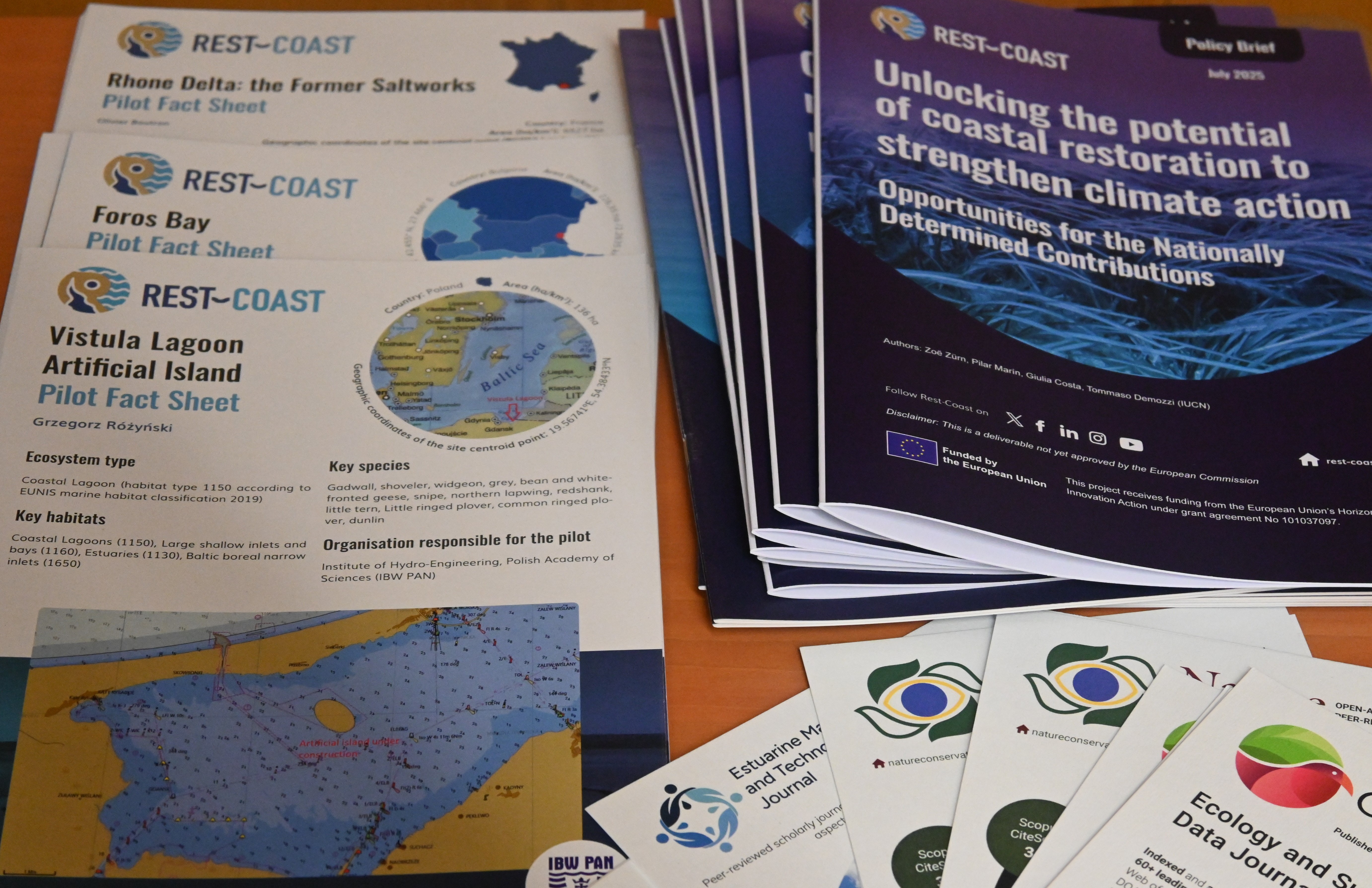
In the remaining months until the end of the project in May, REST-COAST will publish a dedicated project book that will serve as a long-term legacy of the initiative, bringing together and summarising the full range of achievements delivered over the project’s lifetime. In parallel, the pilot site fact sheets will be updated for a final time, presenting the concrete results and solutions implemented at each location. As this final phase of the project focuses on the exploitation of results, the publication of scientific articles and participation in key scientific and policy events will be among the main priorities of the consortium.